
Thin hair does not need complicated styling to look fuller, polished, and naturally flattering. The right shape and styling technique can introduce movement, lift the roots, and make delicate strands appear noticeably more substantial without requiring an exhausting morning routine.
These easy hairstyles for thin hair focus on simple ways to create dimension while keeping everyday maintenance realistic. From textured bobs and airy ponytails to relaxed waves and effortless half-up styles, these nineteen ideas offer practical inspiration for workdays, weekends, and casual occasions.
What Gives These Easy Thin-Hair Styles Staying Power
Easy hairstyles remain popular when they work with natural density instead of depending on constant teasing or heavy products. Strategic layers, softly curled ends, clever parting, and relaxed texture can provide visible fullness while keeping thin strands lightweight and comfortable.
Their practicality also makes them adaptable across seasons and changing trends. Small adjustments to bangs, texture, accessories, or part placement can refresh a familiar hairstyle without completely changing the cut, giving these looks dependable long-term appeal.
Textured Chin-Length Bob
A textured chin-length bob gives thin hair a fuller outline while maintaining enough movement for effortless everyday styling. Lightly broken-up ends prevent the shape from looking rigid, and the compact length keeps delicate strands from appearing stretched or noticeably sparse.

For easy styling, apply lightweight volumizing mousse to damp roots before blow-drying with your fingers. Once dry, bend several sections gently with a flat iron, then separate the ends using fingertips to create relaxed texture without removing valuable fullness.
Soft Layered Pixie
Short, softly blended layers help a pixie create natural lift through the crown without requiring lengthy styling sessions. Keeping slightly longer pieces across the top provides movement, while tapered sides establish a neat silhouette that makes thin hair appear intentionally shaped.

After washing, work a small amount of root-lifting foam through damp hair and dry upward with your fingers. Define several crown pieces using lightweight styling paste, avoiding heavy waxes that could separate fine strands excessively and reveal more scalp.
Loose Everyday Waves
Gentle waves provide instant movement throughout thin hair and prevent straight lengths from lying completely flat against the head. Keeping the curls loose rather than perfectly defined produces natural-looking fullness suitable for casual mornings, workdays, lunches, or relaxed evenings.

Start with heat protectant before wrapping medium sections loosely around a curling iron, leaving the ends slightly straighter. Allow everything to cool, then separate the waves with your fingers and mist the roots lightly with texturizing spray for additional lift.
Half-Up Mini Ponytail
Pulling only the upper portion into a ponytail leaves plenty of hair visible while adding flattering height around the crown. This simple arrangement works particularly well for thin strands because it avoids compressing every section into one noticeably smaller ponytail.

Before securing the style, gently lift the roots with your fingertips and create a little texture through the lengths. Gather the temple sections loosely at the back, fasten them with a small elastic, and tug carefully around the crown for softness.
Deep Side-Part Bob
Simply changing the part can give a bob noticeably more volume without introducing additional layers or complicated styling. A deep side placement shifts more hair toward one section, producing natural root elevation and an attractive asymmetrical effect around the face.

Create the part while the hair is damp, then blow-dry the heavier side in the opposite direction initially. Flip it back once dry for extra lift, smooth the ends lightly, and finish with flexible spray rather than heavy shine products.
Messy Low Ponytail
A deliberately relaxed low ponytail can make thin hair appear softer and more dimensional than a tightly slicked version. Gentle crown volume prevents the roots from looking flat, while lightly textured lengths create movement and make the ponytail feel less sparse.

Add dry texture spray before gathering the hair loosely near the nape, leaving several face-framing pieces free. Carefully loosen sections around the crown, then wrap one small strand around the elastic and separate the ponytail with your fingertips.
Wispy Bangs With Shoulder-Length Hair
Wispy bangs introduce softness around the forehead without removing excessive density from the remaining lengths. Paired with shoulder-length hair, they create subtle movement near the face while preserving enough weight through the perimeter to keep thin strands looking substantial.

Dry the fringe first using a small round brush, moving it gently from side to side for natural separation. Smooth the lengths afterward, then bend the ends slightly inward or outward and finish with lightweight spray for flexible movement.
Claw Clip French Twist
A claw clip creates a quick French-inspired twist without requiring numerous pins, making it practical for busy mornings. Gathering thin hair vertically also provides attractive structure while leaving enough looseness around the crown to prevent the hairstyle from appearing overly flat.

Gather the lengths at the nape, twist them upward, and fold the ends inward before securing everything with a medium claw clip. Pull gently around the crown for height, then release a few face-framing strands to soften the finished shape.
Blunt Collarbone Lob
A blunt collarbone lob maintains density through the ends, helping thin hair look healthier and more substantial. Its longer perimeter provides styling flexibility without creating the stretched appearance that can sometimes develop when delicate strands grow considerably beyond the shoulders.

For daily styling, apply volumizing spray near the roots before blow-drying the lengths with a paddle brush. Keep the ends mostly straight for maximum visual thickness, or introduce one gentle bend through selected sections when you want softer movement.
Side-Swept Pixie
Longer side-swept pieces across the top give a short pixie movement while making thin hair appear more dimensional. The contrast between a fuller crown and neatly tapered sides produces a flattering silhouette without requiring extensive curling, brushing, or daily reshaping.

Direct the top sections diagonally while blow-drying, lifting slightly at the roots with your fingers or a small brush. Once dry, use minimal styling cream to separate the fringe and preserve softness while keeping the crown naturally elevated.
Loose Half-Up Twist
Softly twisted sections can make a basic half-up hairstyle appear detailed without demanding complicated braiding techniques. Keeping the twists relaxed provides extra width around the back, while leaving the lower lengths loose preserves movement and makes thin hair appear fuller.

Take a small section from each temple after adding gentle texture throughout the hair. Twist both pieces backward, loosen their edges carefully, and secure them together with hidden pins or a small clip before fluffing the remaining lengths.
Flipped-Out Bob
Turning the ends slightly outward gives a short bob playful movement while creating the impression of greater width. The flipped finish works especially well when thin hair needs visual interest but you want to avoid adding numerous layers that reduce perimeter density.

Blow-dry the bob smoothly first, then use a small round brush or flat iron to direct the ends outward. Keep the flip subtle rather than dramatic, and finish with lightweight hairspray so the shape remains touchable throughout the day.
Bubble Ponytail for Thin Hair
A small bubble ponytail introduces shape and dimension by dividing the lengths into softly expanded sections. Even with limited density, gently loosening each bubble can create a fuller impression while giving an ordinary ponytail a more playful and intentional appearance.

Secure a ponytail at your preferred height, then place small elastics several centimeters apart down the length. Carefully tug each section outward using your fingertips, working gradually to avoid pulling delicate strands, and finish with light flexible hairspray.
Face-Framing Layered Lob
Long face-framing pieces add movement around the cheeks and jaw while allowing most of the lob to retain valuable density. This balanced layering approach keeps thin hair from becoming overly feathered while providing enough shape to make everyday styling feel more interesting.

Apply root-lifting spray before blow-drying the hair with a medium round brush. Direct the front layers away from the face, keeping the remaining ends relatively full and smooth, then use your fingers to separate the framing pieces naturally.
Casual Top Knot
A relaxed top knot lifts thin hair upward and creates an effortless style that works especially well between wash days. Keeping the bun loose rather than tightly wound allows it to occupy more space, creating the appearance of additional fullness at the crown.

Gather the hair into a high ponytail without brushing everything completely flat. Twist the lengths loosely around the base, secure them with pins or an elastic, then gently expand the bun and loosen several sections near the hairline.
Soft Curtain Bangs With Lob
Curtain bangs can introduce flattering movement around the face while blending seamlessly into a fuller-looking lob. Their longer shape requires less density than heavy straight-across bangs, helping preserve valuable hair throughout the sides and perimeter of the overall haircut.

Blow-dry the fringe away from the face using a round brush, creating a gentle outward curve. Keep the lob smooth or add relaxed bends through the lengths, then separate the bangs with your fingertips instead of coating them heavily with product.
Mini Braided Half-Up Style
Small braids introduce detail without using enough hair to make the loose lengths appear noticeably thinner. Combining two delicate braids at the back creates an easy focal point while maintaining softness and movement throughout the rest of the hairstyle.

Begin with lightly textured hair, then braid one narrow section from each side near the temples. Gently widen the braids, bring them together at the back, and secure with a small elastic before loosening the crown slightly for additional height.
Tousled Short Shag
A short shag uses airy layers to encourage natural separation and movement, making thin hair appear less flat. Keeping the layering strategically concentrated around the crown creates lift while preserving sufficient density toward the lower sections for a balanced silhouette.

Mist damp hair with volumizing spray, then blow-dry using your fingers while lifting sections away from the scalp. Once dry, apply a small amount of texture spray and gently tousle the crown without aggressively separating the thinner ends.
Low Bun With Soft Volume
A loose low bun offers an uncomplicated way to make thin hair look polished while maintaining comfortable everyday wear. Gentle volume through the crown balances the compact bun, while a few softly released pieces prevent the arrangement from appearing overly tight or severe.
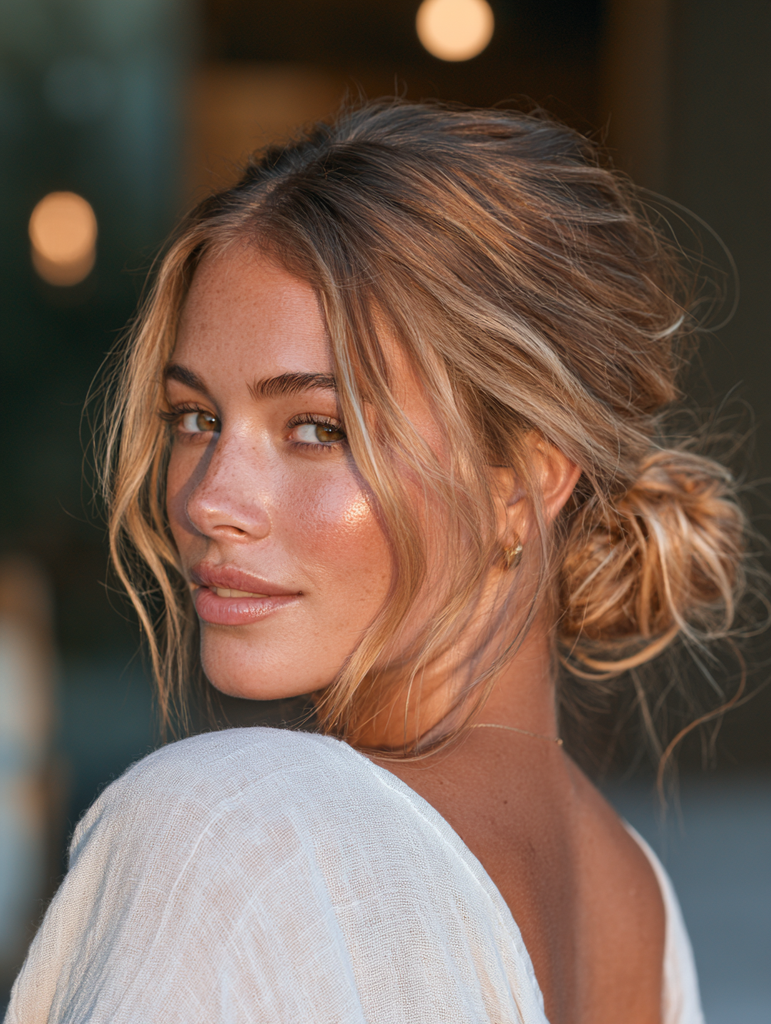
Add light texture before gathering the hair near the nape and twisting it loosely around its base. Secure with pins, gently expand the bun using your fingertips, then lift the crown slightly and release several delicate face-framing strands.
How to Style Easy Hairstyles for Thin Hair
Begin with lightweight products that create lift without coating delicate strands. Volumizing mousse, root spray, dry shampoo, and texturizing mist can provide grip and body, while heavy oils or thick creams may quickly reduce fullness. Concentrate most volume-building products around the roots rather than saturating the ends.
When using heat, alternate curl directions and avoid repeatedly straightening already-flat sections. Small changes such as switching your part, lifting the crown during blow-drying, or gently expanding braids can noticeably improve dimension with minimal extra effort.
Final Thoughts
Easy hairstyles for thin hair are most successful when they preserve density while introducing movement in strategic areas. Blunt bobs, textured pixies, relaxed ponytails, soft waves, half-up twists, and loose buns demonstrate that noticeable volume does not require elaborate daily styling.
Focus on lightweight preparation and avoid pulling delicate strands excessively tight. By combining simple styling techniques with cuts that maintain fullness through important areas, thin hair can look beautifully dimensional, healthy, and polished throughout an ordinary day.
