
Pixie cuts for fine thin hair over 60 can create the appearance of fuller, more intentional shape without relying on heavy styling. Shorter lengths remove excess weight, while strategic layering can encourage lift around the crown and keep delicate strands from falling completely flat. Side bangs, tapered sections, feathered texture, and softly stacked layers can all help personalize the silhouette.
The strongest pixie should work with your natural density and preferred maintenance routine. Fine hair often responds best to lightweight products, gentle root lift, and cuts that preserve enough density through key areas. These 17 ideas explore practical ways to make a pixie feel polished, soft, modern, and easy to manage.
Why Fine-Hair Pixies Continue to Work So Beautifully
Pixie cuts remain popular for fine thin hair because shorter lengths can make the overall shape appear more controlled and visually substantial. Carefully placed layers help create movement, while tapered sides and fuller crown sections bring balance without making the haircut look overly sparse.
For women over 60, pixies also offer realistic everyday maintenance. Styling can often be achieved with lightweight mousse, a small round brush, and a few minutes of finger shaping. Instead of depending on complicated techniques, the haircut itself provides much of the structure, making these styles practical and adaptable over time.
Soft Layered Pixie
A soft layered pixie creates gentle crown movement without removing too much density from already fine hair. Longer upper sections provide enough length for subtle lift, while shorter sides keep the silhouette neat and prevent the haircut from appearing shapeless.
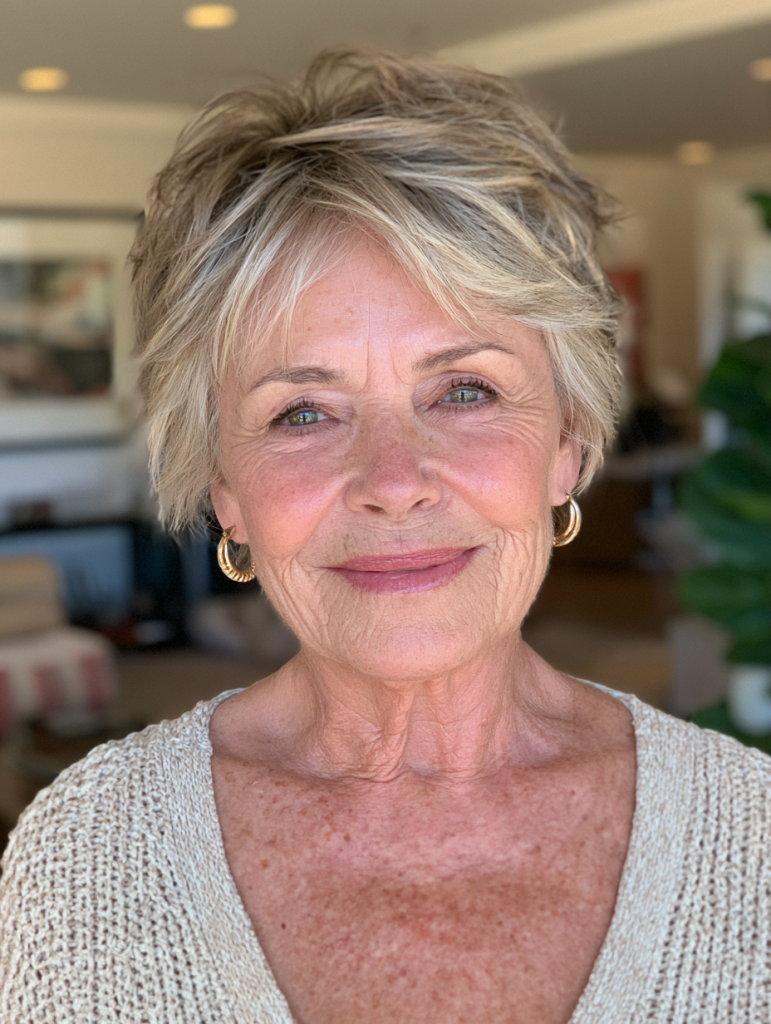
Use lightweight mousse near the roots and blow-dry with your fingers or a small round brush. Avoid heavy waxes that can collapse delicate strands. Finish by separating only a few crown pieces, preserving softness while helping the haircut look fuller, polished, and naturally balanced.
Feathered Pixie Cut
Feathered layers bring airy movement to fine thin hair by directing short sections slightly away from the face. The gradual texture keeps the hairstyle light while helping the crown appear more dimensional without requiring dramatic volume or excessive product.
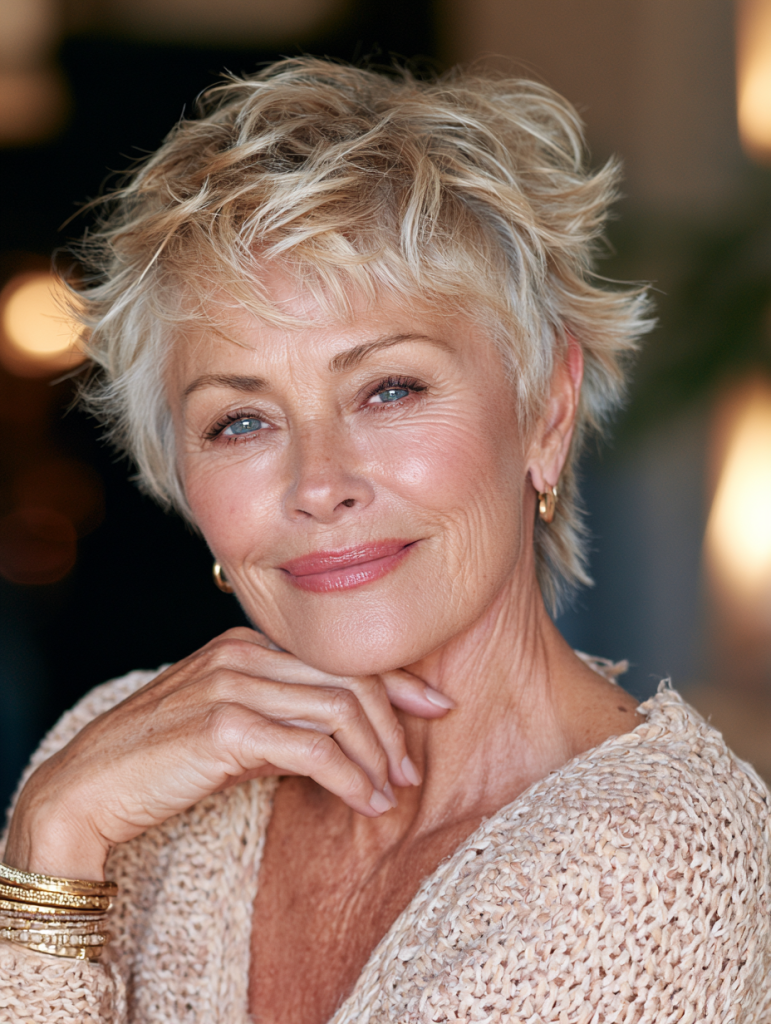
Blow-dry with a small round brush and lift the roots gently as you shape each feathered section. Keep the sides smoother to create contrast against the fuller top. A small amount of lightweight styling cream can define the ends while maintaining flexibility and preventing the hair from becoming flat.
Pixie with Side-Swept Bangs
Side-swept bangs add softness to a pixie while creating useful visual movement across the forehead. Keeping the fringe slightly longer allows fine strands to overlap naturally, which can make the front appear fuller without relying on a thick or heavy bang.
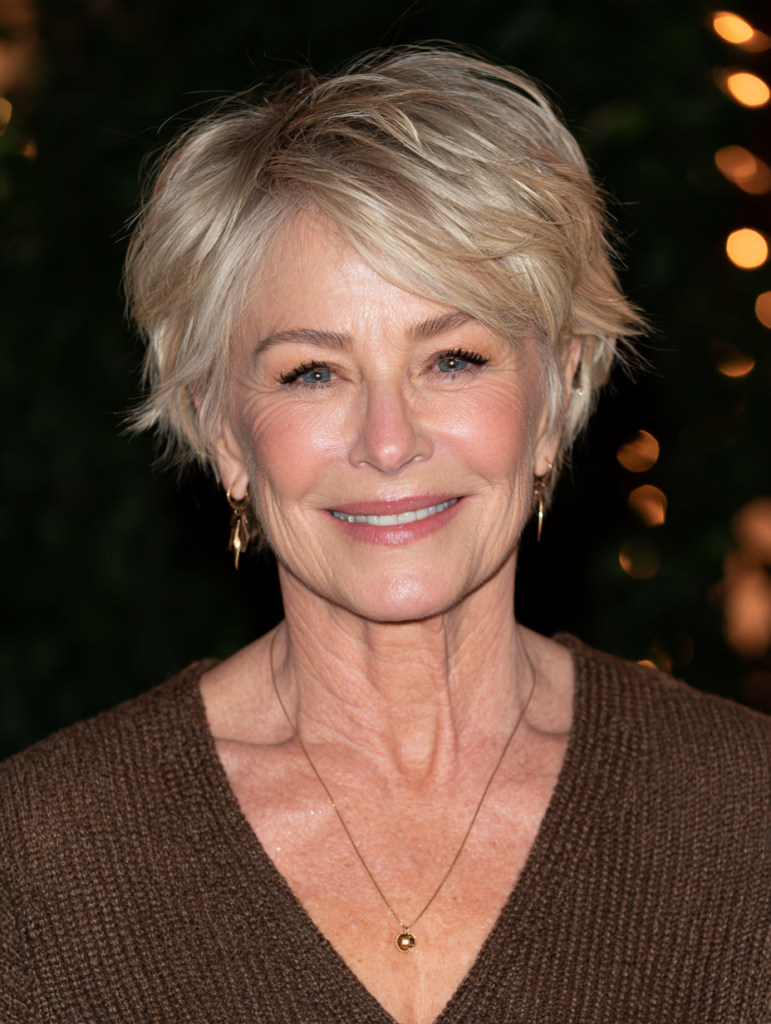
Direct the fringe diagonally during blow-drying and create gentle root lift at the front. Keep styling products minimal through the bangs so they remain airy. A touch of volumizing spray around the crown can support the overall shape while preserving a soft, flattering finish.
Tapered Pixie with Crown Volume
A tapered pixie keeps the neckline and sides compact while allowing more length through the crown for additional lift. This contrast can make fine thin hair appear more dimensional by focusing fullness where it creates the greatest visual impact.
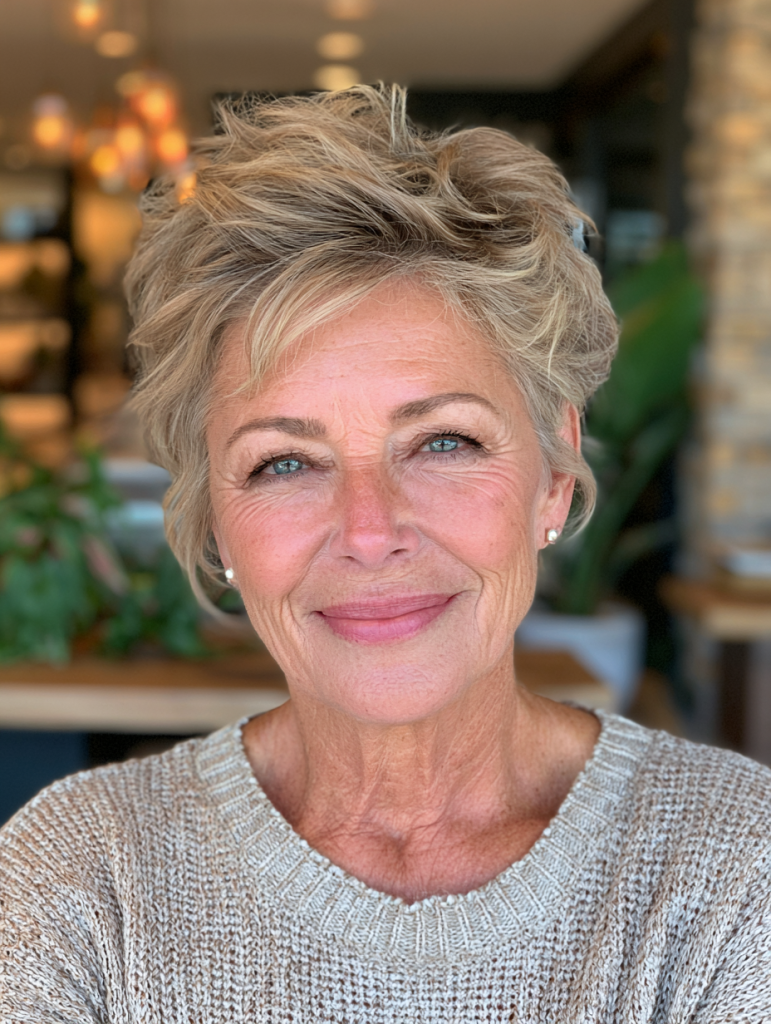
Apply root-lifting mousse primarily through the upper sections, then blow-dry upward with a small round brush. Avoid teasing too aggressively, since delicate hair can become fragile. Keeping the tapered sides smooth emphasizes the fuller crown and gives the haircut a polished, intentionally shaped appearance.
Wispy Pixie with Long Bangs
A wispy pixie with long bangs brings movement to fine thin hair without creating a dense, heavy silhouette. The longer fringe softens the forehead, while shorter crown layers provide subtle separation and help prevent the hairstyle from appearing completely flat.
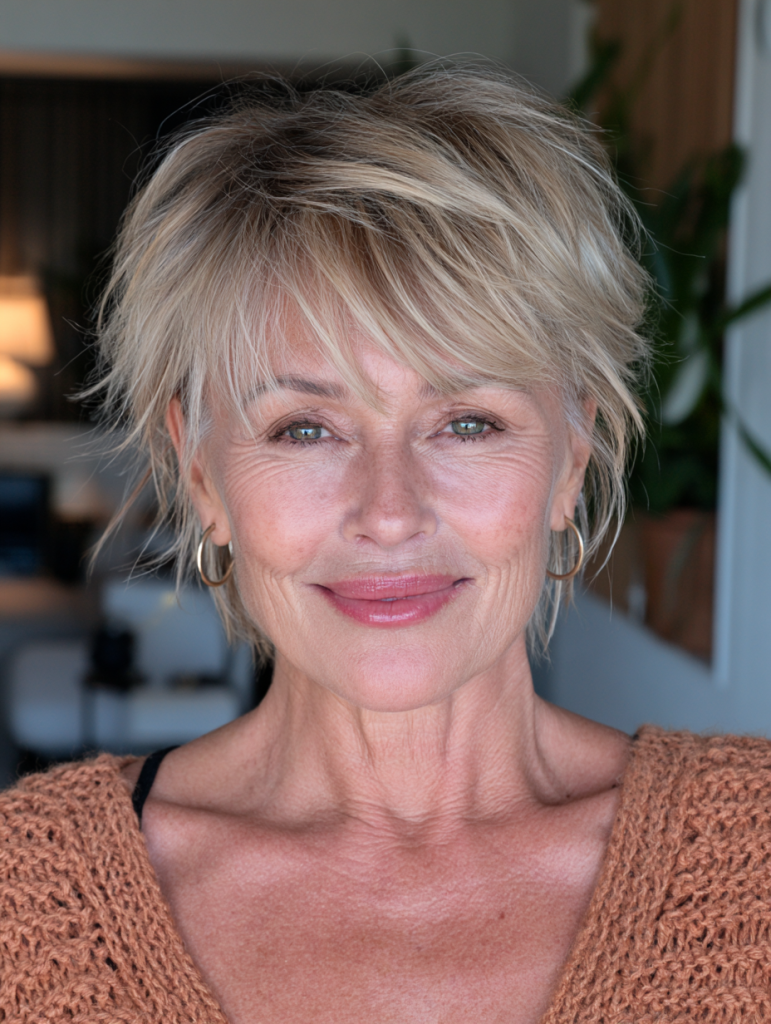
Blow-dry the bangs gently to one side and keep them slightly lifted at the roots. Use a lightweight texture spray through the crown rather than oily creams. Separating a few ends with your fingertips can create visual fullness while preserving the delicate, touchable quality of fine hair.
Short Textured Pixie
A short textured pixie uses small, strategically placed layers to create definition throughout fine thin hair. Keeping the overall length compact reduces excess weight, while slightly longer crown pieces give the haircut enough flexibility for easy styling and subtle volume.
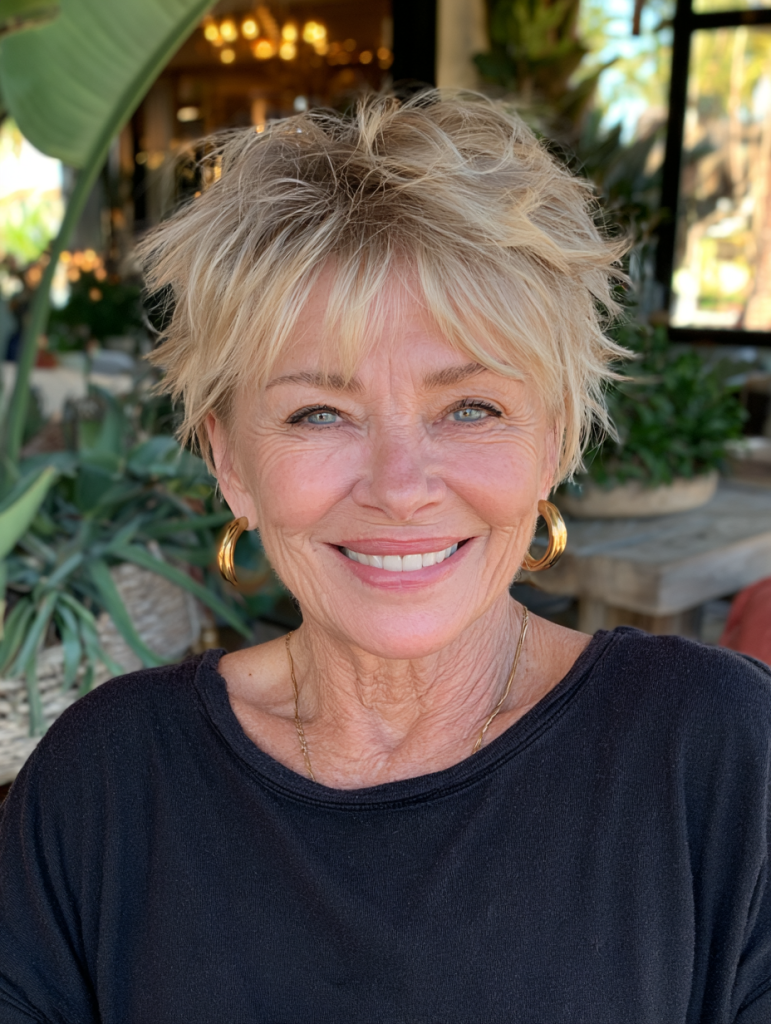
Work a small amount of lightweight texture paste through dry hair and lift selected sections with your fingertips. Avoid coating every strand, which can reduce fullness. Keeping the sides neat while allowing the crown to remain slightly tousled gives the hairstyle modern shape without sacrificing its practical, low-maintenance character.
Rounded Pixie Cut
A rounded pixie creates soft fullness by following the natural shape of the head rather than relying on sharp texture. Gentle graduation through the crown helps fine hair appear more substantial while the shorter neckline maintains a clean and balanced silhouette.
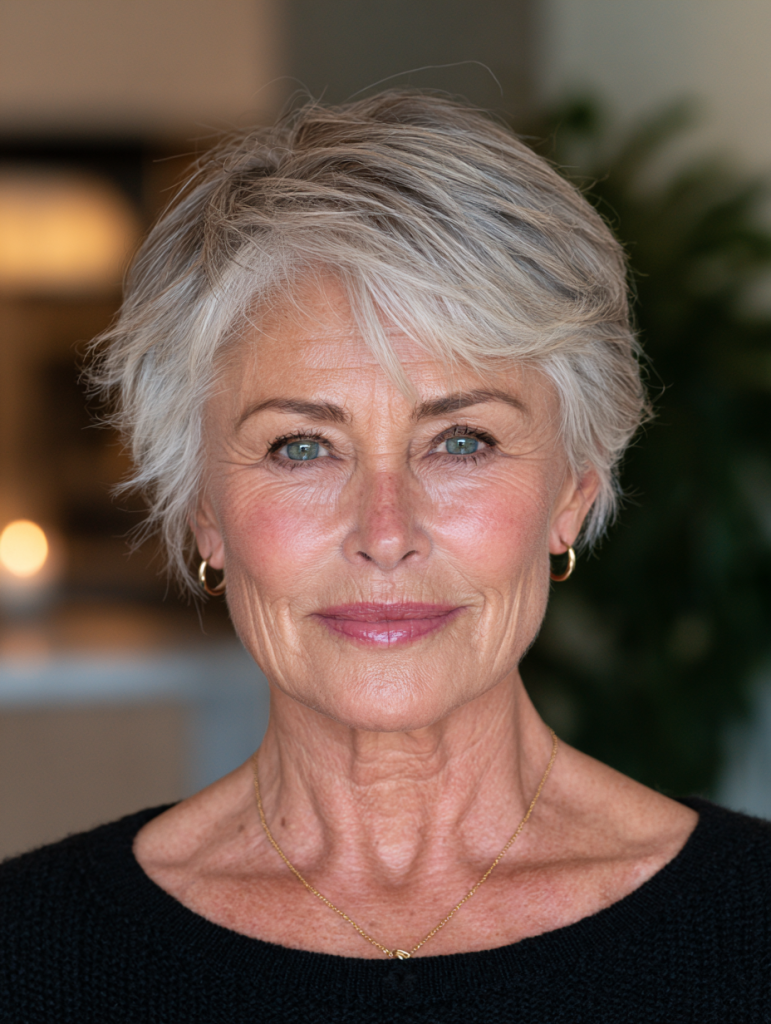
Use a small round brush during blow-drying to create subtle curvature and root lift. Keep the finish soft instead of overly polished, allowing individual sections to maintain natural movement. Lightweight hairspray can provide gentle hold while helping the rounded shape remain visible throughout the day.
Pixie Bob for Fine Hair
A pixie bob combines pixie practicality with slightly longer sections around the crown and sides. This extra length can make fine thin hair appear fuller, especially when subtle layering adds shape without removing too much density from the perimeter.
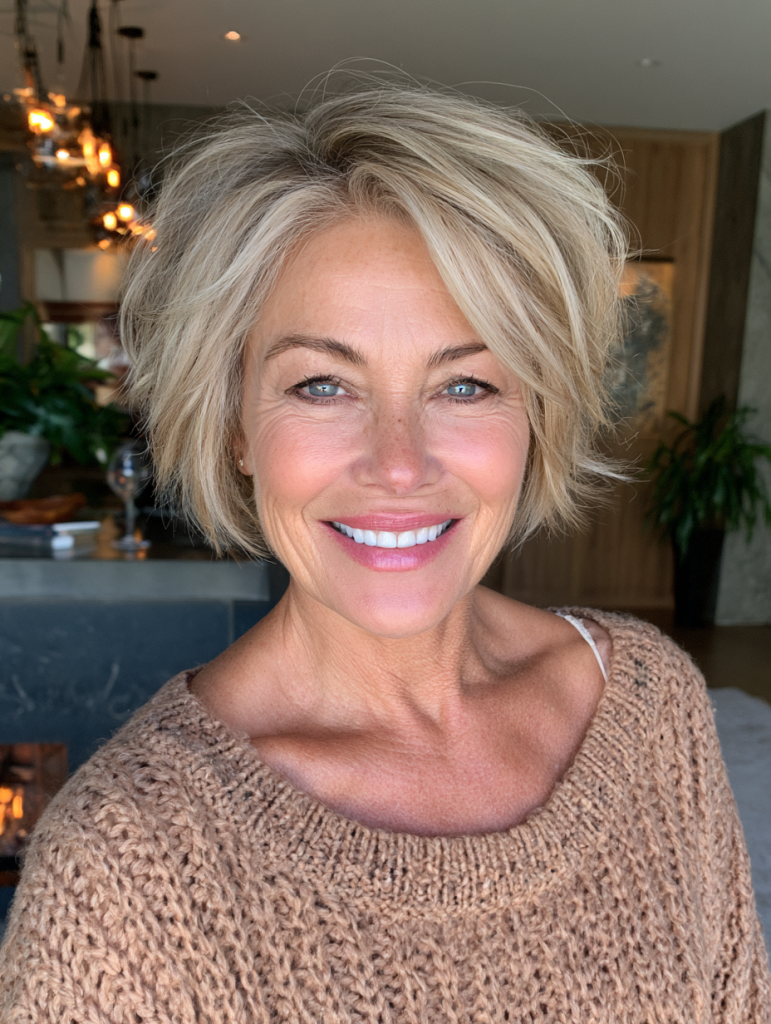
Blow-dry with a round brush to create lift through the upper sections while keeping the ends softly curved. Tuck one side behind the ear for variation. A small amount of volumizing mousse can support the crown without creating stiffness, making this hybrid haircut versatile and manageable.
Silver Pixie with Soft Layers
Natural silver hair can look especially dimensional in a softly layered pixie because different tones create visual depth across shorter sections. Gentle crown layering adds movement while preserving enough density to keep fine hair from appearing overly sparse.
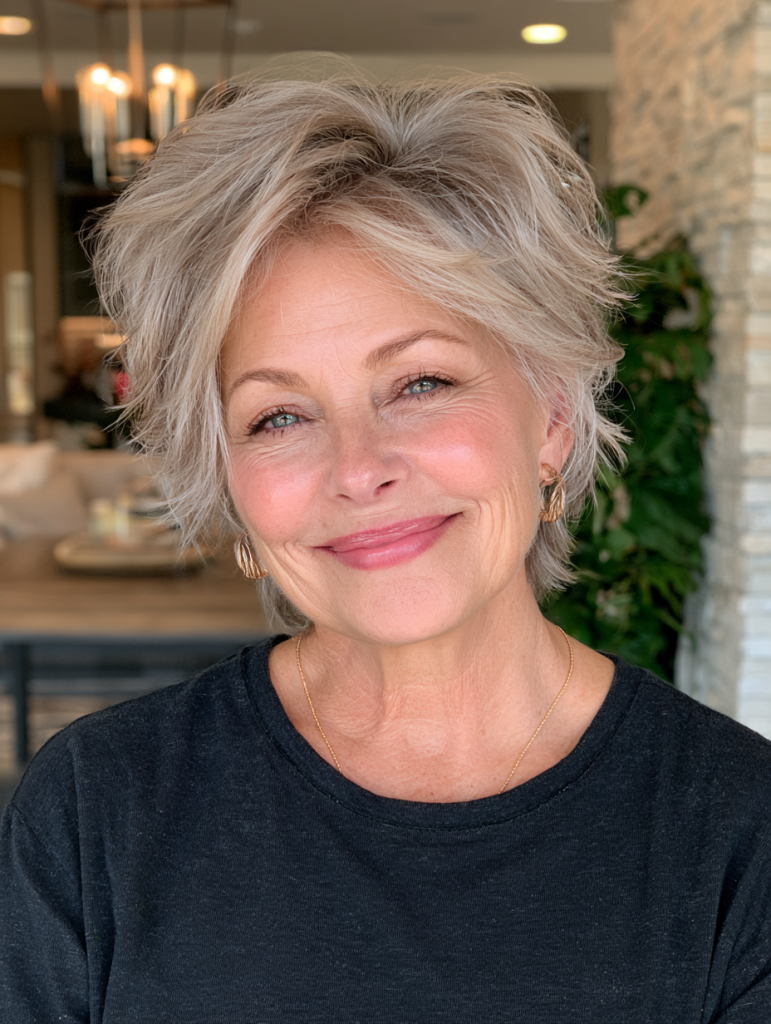
Apply lightweight mousse before blow-drying and direct the crown upward for subtle lift. Keep the sides smooth and avoid heavy shine products that can separate fine strands too much. A light finishing spray can enhance the shape while allowing silver, white, and gray tones to remain naturally visible.
Pixie with Deep Side Part
A deep side part can give fine thin hair an immediate boost by shifting more volume toward one side. The heavier section creates visual fullness across the forehead, while the opposite side can remain compact and neatly shaped.
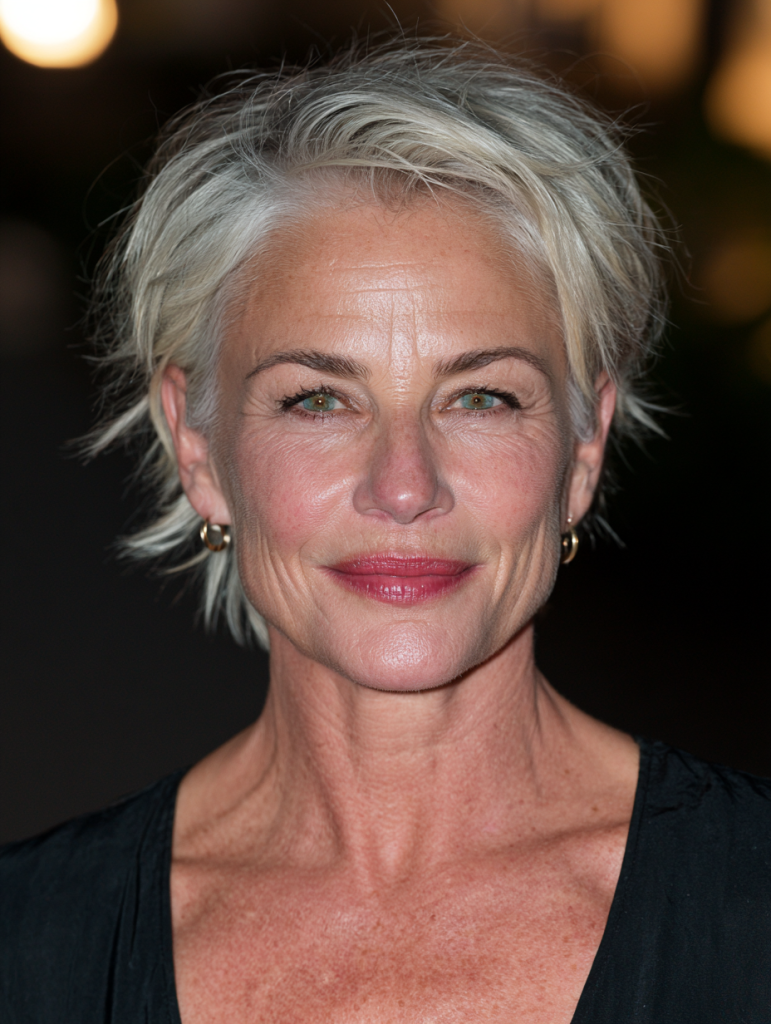
Establish the part before blow-drying and lift the roots on the fuller side with a small round brush. Keep the rest of the haircut controlled and lightweight. Minimal styling cream through the ends can refine the shape without weighing down the strands, resulting in a simple yet effective volume-enhancing pixie.
Soft Spiky Pixie
A soft spiky pixie creates energetic texture by lifting short crown layers upward without forming rigid or sharply pointed sections. This controlled height can make fine thin hair appear more substantial while keeping the overall silhouette modern and easy to style.
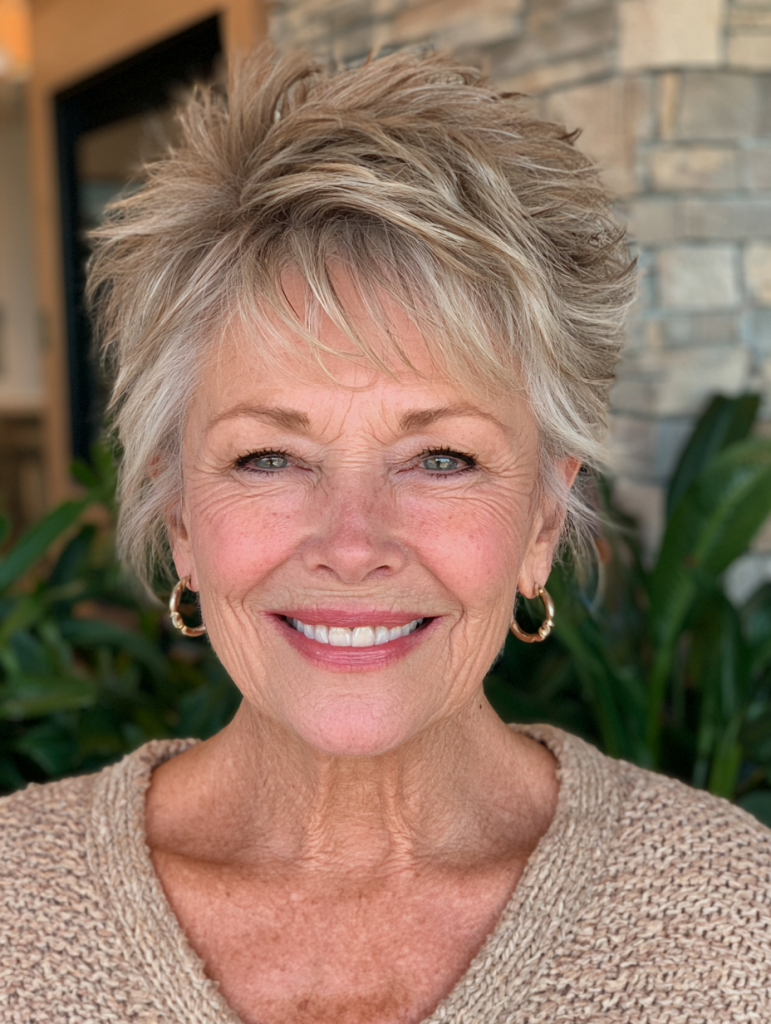
Use a lightweight styling paste sparingly and work it through completely dry hair. Lift only selected sections to create contrast and avoid an overly uniform finish. Keeping the sides smooth balances the upper texture, allowing the hairstyle to feel lively without becoming harsh or difficult to maintain.
Pixie with Tapered Nape
A pixie with a tapered nape keeps the lower silhouette neat while allowing slightly more length through the crown and front. This gradual contrast helps fine hair look fuller above without requiring excessive layering throughout the entire haircut.
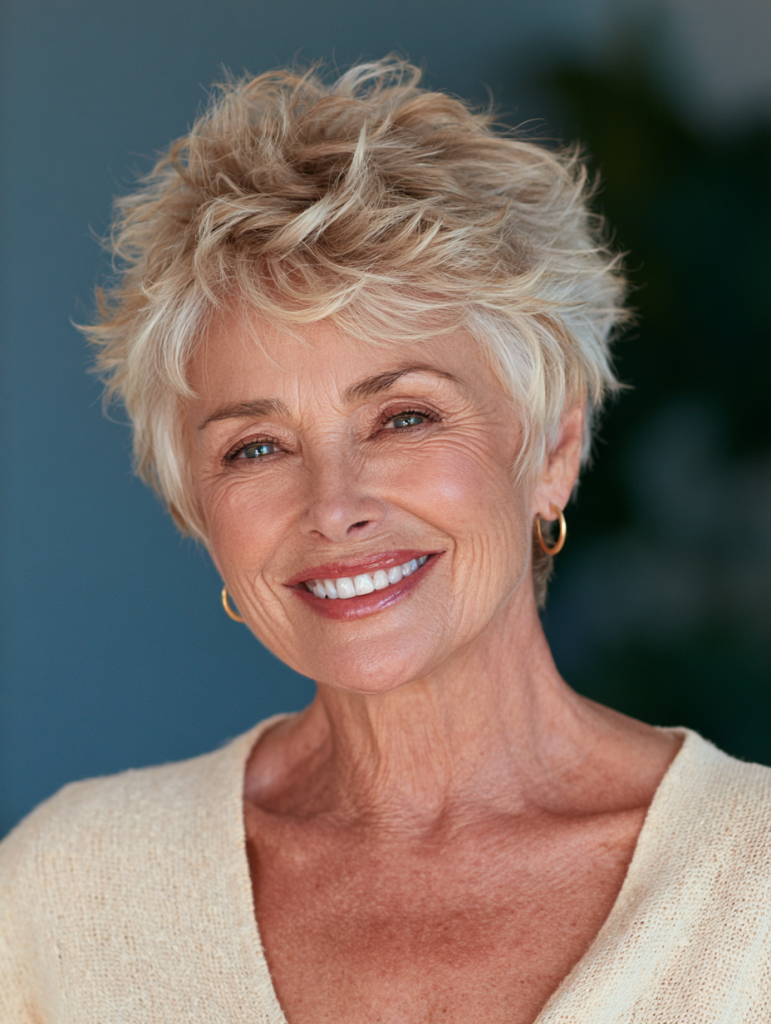
Apply volumizing mousse around the roots and blow-dry the crown with gentle lift. Keep the tapered neckline smooth and close to the head so the upper fullness remains noticeable. Lightweight finishing cream can define selected front pieces while preserving the hairstyle’s clean, practical shape.
Tousled Fine-Hair Pixie
A tousled pixie brings relaxed movement to fine thin hair by encouraging small sections to sit in slightly different directions. The variation creates the appearance of more texture without removing too much density from the already delicate strands.
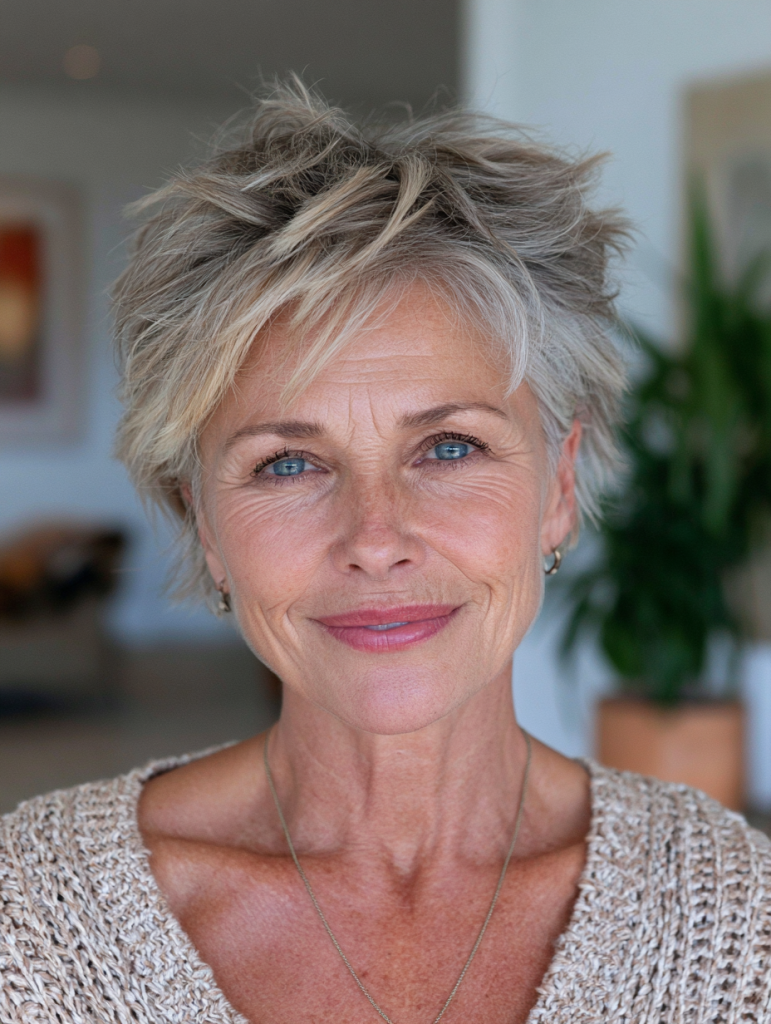
Work lightweight mousse through damp hair and rough-dry while lifting the roots with your fingers. Once dry, separate a few crown pieces using a small amount of texturizing product. Keeping the sides more controlled prevents the hairstyle from looking messy while preserving its soft, airy personality.
Pixie with Wispy Fringe
A wispy fringe gives a fine-haired pixie delicate forehead coverage without creating the weight of a fuller bang. Short, separated pieces can soften the front while blending naturally into the crown and temple sections for a cohesive silhouette.
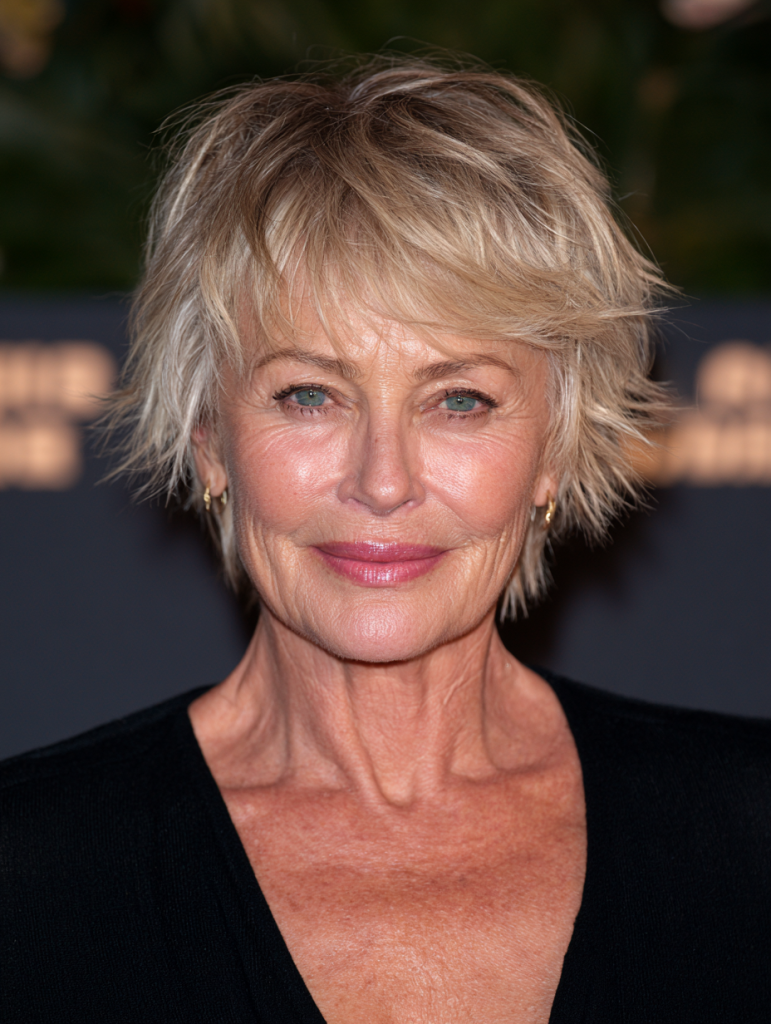
Style the fringe with minimal product and gentle airflow so it remains flexible. Use a small round brush only where additional direction is needed. Volumizing mousse through the crown can create contrast against the lighter fringe, helping the overall haircut appear balanced, soft, and naturally fuller.
Cropped Pixie with Longer Crown
A cropped pixie with a longer crown creates useful contrast by keeping the sides and neckline short while preserving extra length on top. The upper section provides enough hair for visible lift, making this structure especially effective for fine thin textures.
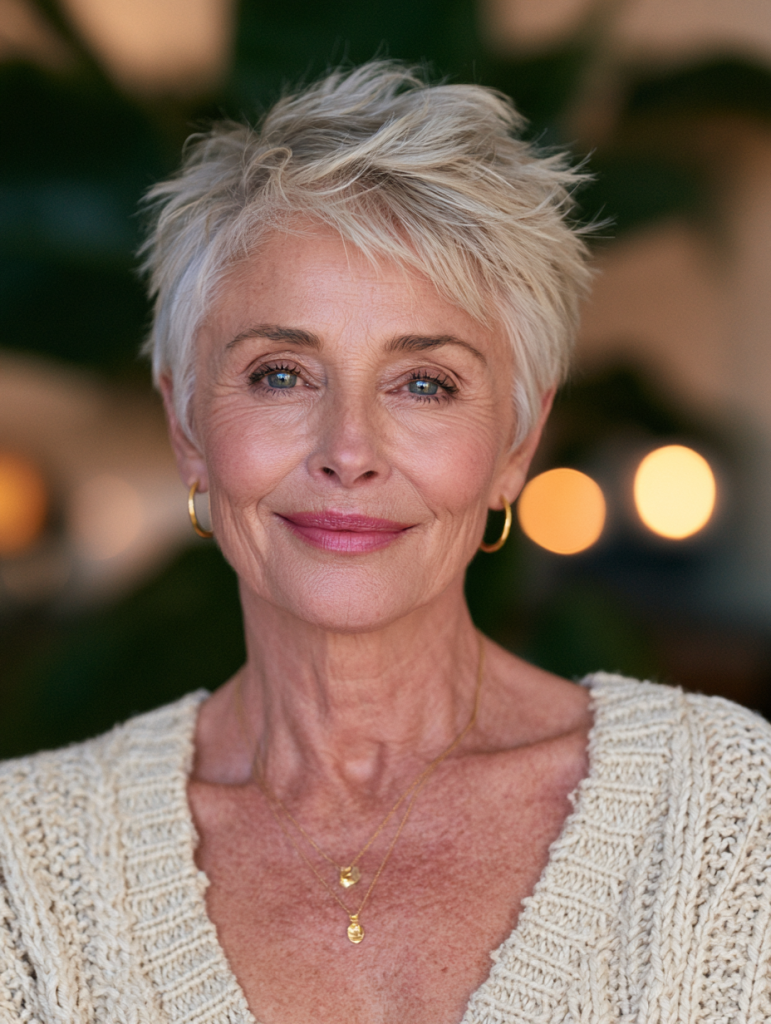
Blow-dry the crown upward using root-lifting spray and a small brush. Avoid flattening the hair with heavy finishing products. Instead, use your fingertips to shape a few sections after drying. The compact sides keep the haircut neat while making the fuller crown appear more pronounced.
Layered Pixie with Side Volume
A layered pixie with side volume shifts some fullness toward one temple, creating asymmetry that can make fine thin hair appear more dimensional. Longer side layers also soften the face while keeping the back and neckline relatively compact.
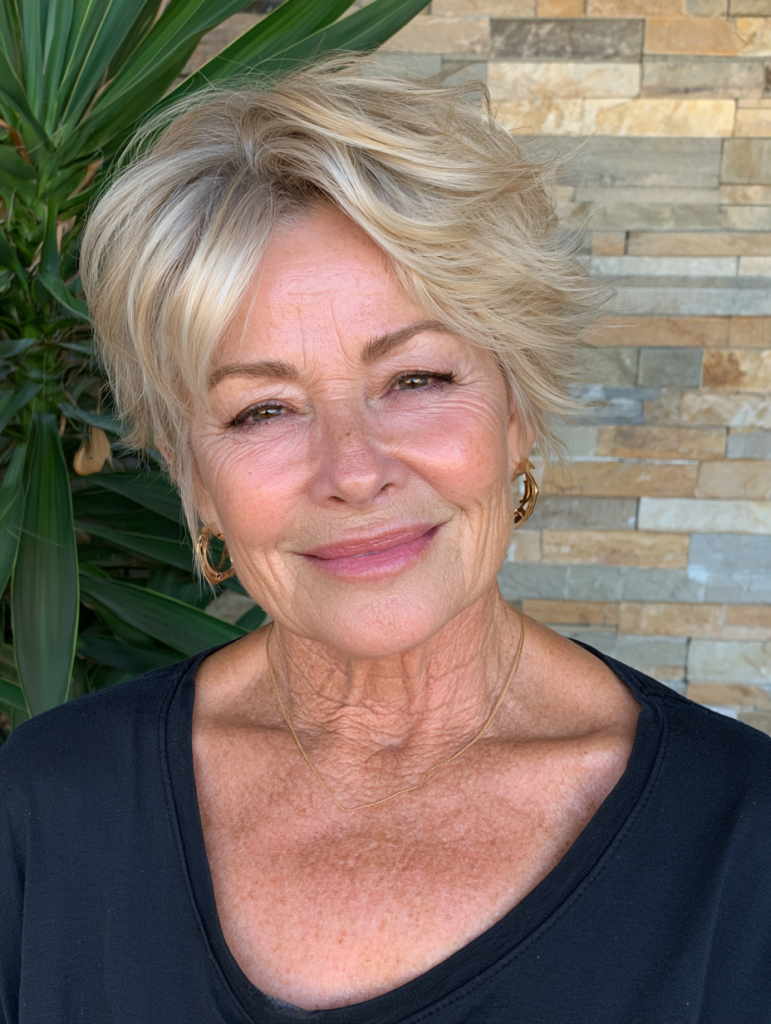
Direct the fuller section sideways during blow-drying and create gentle lift at the roots. Keep the opposite side smoother to strengthen the contrast. A lightweight texturizing mist can maintain separation without stiffness, producing a flattering pixie with visible movement and a naturally balanced silhouette.
Choppy Pixie with Soft Crown Lift
A choppy pixie uses subtle irregular layers to create separation through the crown while preserving enough density for fine thin hair. The texture adds personality without relying on heavy graduation that could make the ends appear sparse.
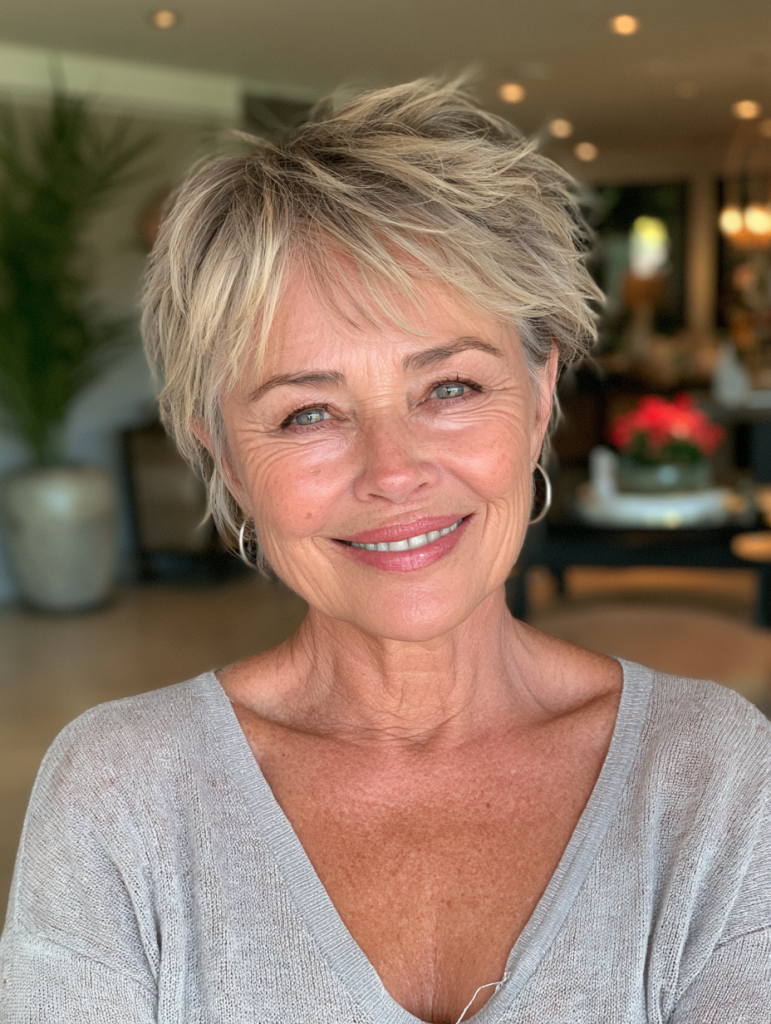
Apply lightweight root mousse and blow-dry upward through the crown. Once dry, use a tiny amount of styling cream to define only a few pieces. Keeping the choppy texture restrained allows the haircut to look fuller and contemporary rather than overly fragmented, giving the overall shape a polished yet lively finish.
A Simple Styling Routine for Fine Thin Pixie Hair
Begin with lightweight products that provide lift without coating the strands. Volumizing mousse, root spray, and dry texture products are often more useful than heavy creams or oils. Apply product primarily around the crown and front, then blow-dry with gentle upward movement using fingers or a small round brush.
Avoid excessive teasing or repeated high-heat styling, which can make delicate hair more fragile over time. Regular trims are especially important because fine pixies can lose their shape quickly as they grow. A strong cut should make daily styling easier rather than forcing you to create volume from scratch.
Final Thoughts
Pixie cuts for fine thin hair over 60 can create softness, shape, and visual fullness without requiring complicated daily routines. Feathered layers offer graceful movement, tapered cuts create clean structure, and longer bangs provide versatility around the face. Even subtle changes in parting or crown length can noticeably influence the overall silhouette.
The best pixie should preserve enough density while placing volume where it has the strongest effect. With thoughtful layering and lightweight styling, fine hair can look polished and intentionally shaped. Would you choose a soft feathered pixie, a tapered crop, or a pixie bob with extra crown lift?
