
4C hairstyles for Black women offer incredible versatility because tightly coiled hair can create sculptural shapes, defined twists, stretched styles, protective looks, and beautiful natural volume. From compact tapered cuts to twist-outs and elegant updos, 4C texture provides plenty of possibilities for changing your hairstyle while celebrating its natural character.
The best approach begins with moisture, gentle handling, and realistic styling expectations. Some looks emphasize shrinkage and dense coils, while others use stretching or protective techniques to create additional length and definition. These 18 hairstyles showcase different ways to work creatively with 4C hair while keeping the finished look practical, expressive, and polished.
Why 4C Hairstyles Continue to Inspire New Looks
4C hair offers tremendous styling flexibility because its tight coil pattern can hold defined shapes beautifully. Twists can create intricate texture, stretched styles reveal additional length, and natural shrinkage can produce wonderfully rounded silhouettes. Protective styling also introduces countless possibilities without requiring permanent changes to the hair.
What keeps these hairstyles relevant is their adaptability. A simple puff can become elegant with thoughtful shaping, while flat twists can transition into buns, updos, or loose textured sections. Rather than depending on one trend, 4C hairstyles can continuously evolve through technique, accessories, parting, and creative manipulation.
Defined Twist-Out
A defined twist-out showcases 4C texture through separated coils and soft, controlled volume. Medium two-strand twists can produce noticeable definition while maintaining enough fullness for the finished hairstyle to feel natural, dimensional, and beautifully expressive.
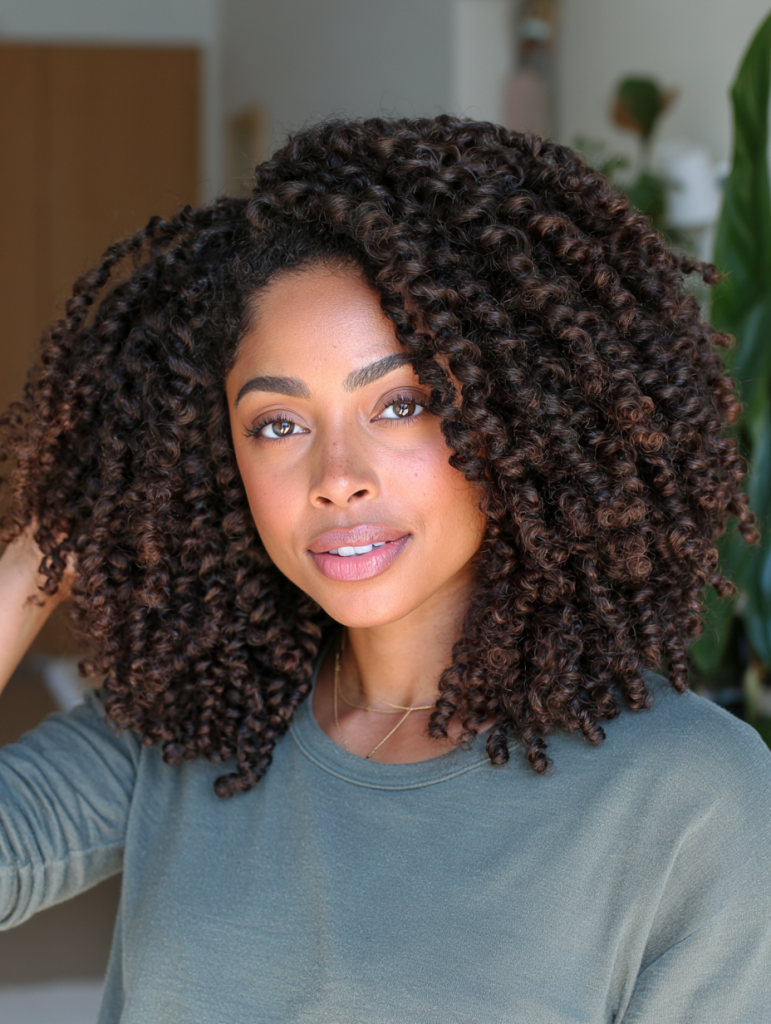
Start with moisturized, detangled hair and apply a lightweight twisting cream before creating evenly sized sections. Allow the twists to dry completely before unraveling them carefully with lightly coated fingertips. Separate only where additional volume is needed, then lift the roots gently without disturbing the ends. This keeps definition visible while creating a fuller silhouette.
High Natural Puff
A high natural puff gathers 4C hair toward the crown while allowing the ends to expand into a beautifully rounded shape. The elevated placement keeps the face open and creates a striking silhouette without requiring complicated braiding or twisting techniques.
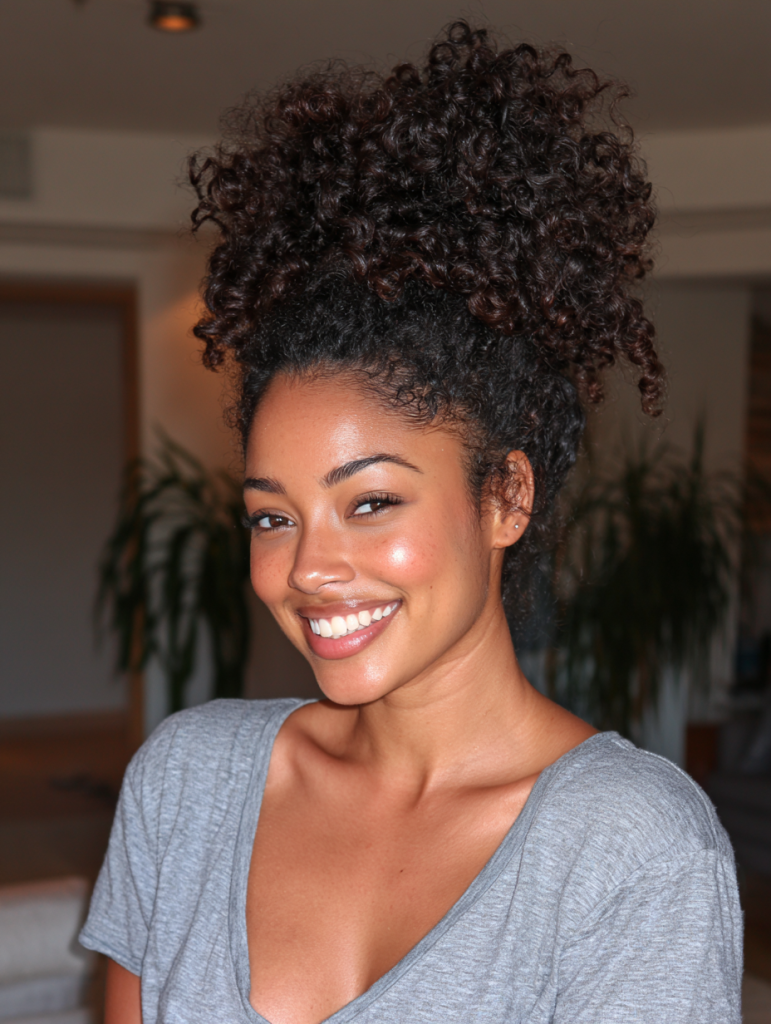
Begin with moisturized hair and gently smooth the perimeter using your hands or a soft brush. Secure the base without pulling excessively around the hairline. Fluff the puff gradually with your fingertips until the shape feels balanced. Leaving a few soft coils near the temples can create additional framing and personality.
Tapered 4C Cut
A tapered cut keeps the sides and back shorter while preserving additional length through the crown. The contrast allows dense 4C coils to create natural height and dimension, producing a sculpted hairstyle that feels modern without requiring long styling sessions.
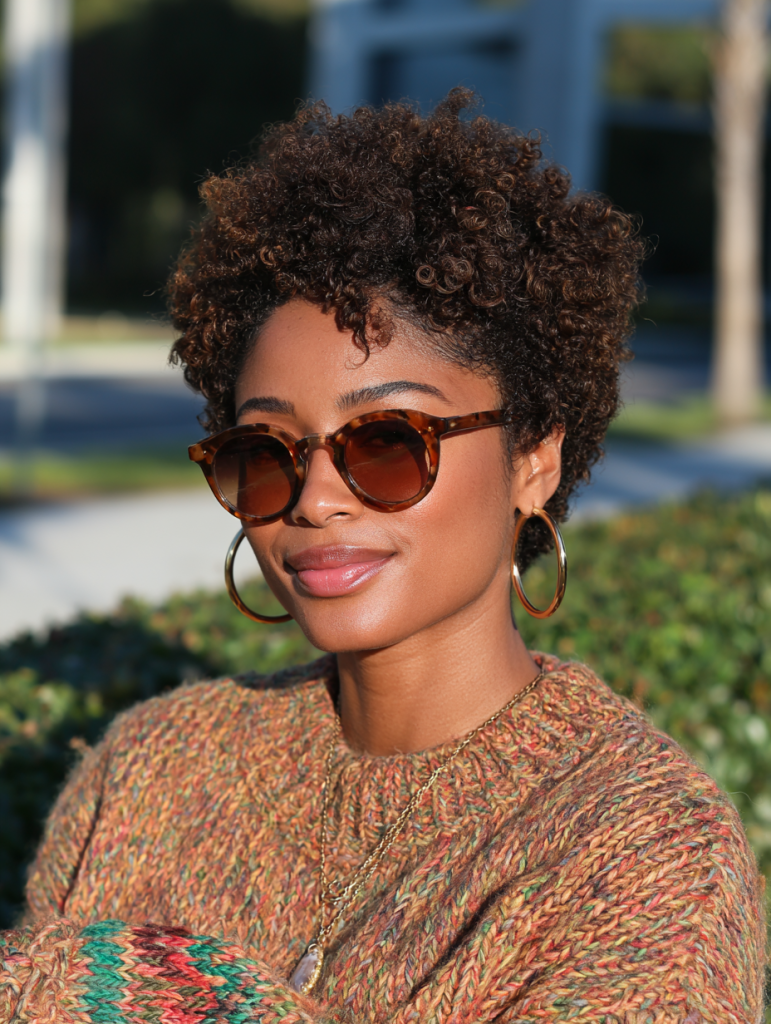
Keep the upper section moisturized and define selected coils using finger twisting or a small amount of curl cream. Shape the crown with your fingertips rather than aggressively combing through it. Regular maintenance around the sides and neckline helps preserve the taper, allowing the fuller top to remain the strongest visual feature.
Chunky Two-Strand Twists
Chunky two-strand twists provide a practical way to organize 4C hair while highlighting its natural density and texture. Larger sections create substantial twists that can be worn loose, pinned back, gathered upward, or later unraveled for a fuller twist-out.
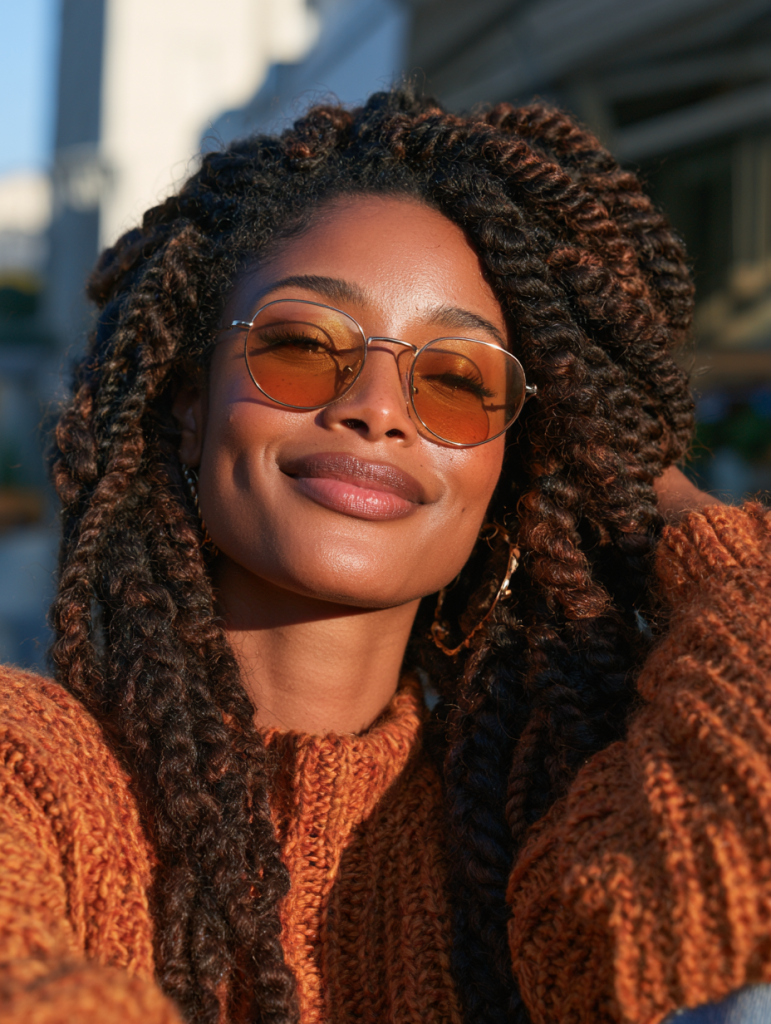
Apply moisturizer and twisting cream to detangled sections before twisting from root to end. Keep tension comfortable, particularly around the hairline. Once finished, arrange the twists around the face or create a side part for variation. Protecting them overnight with satin can help maintain smoothness and reduce unnecessary friction.
Flat Twist Updo
A flat twist updo creates beautiful directional texture by braiding close to the scalp before gathering the remaining hair upward. The style keeps most strands controlled while allowing the crown to become a bun, puff, or softly textured focal point.
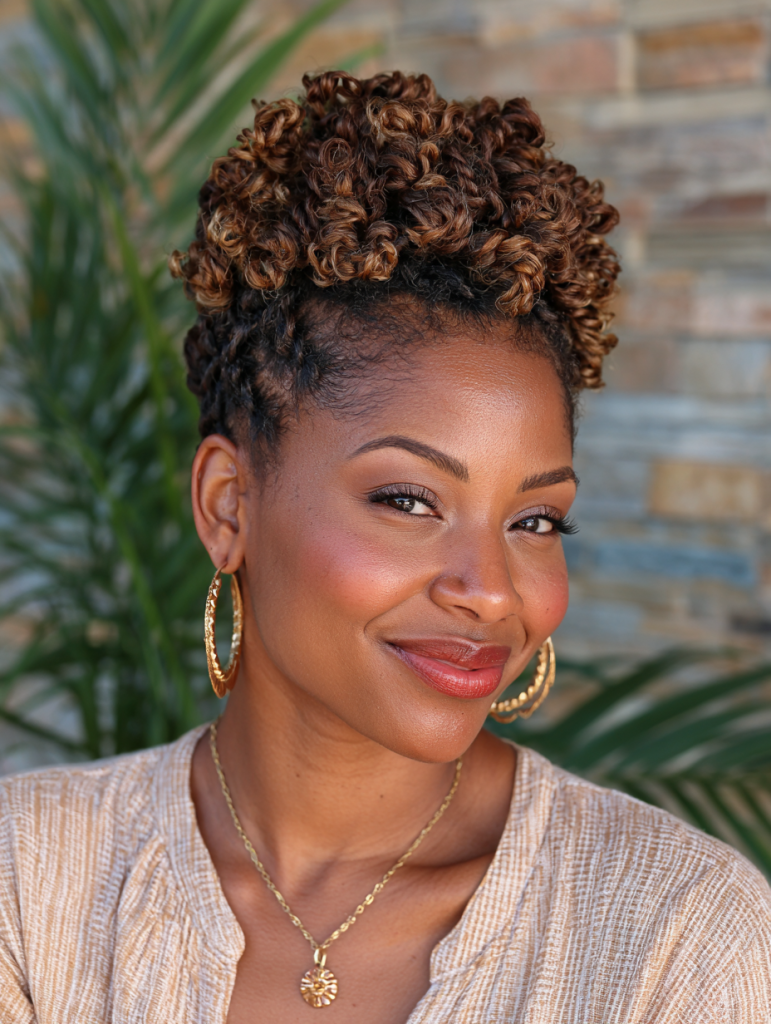
Work on moisturized, detangled hair and create clean sections before beginning each twist. Avoid pulling tightly around the temples or edges. Secure the upper portion with pins rather than excessive tension, then shape it according to preference. The finished updo works beautifully for professional settings, celebrations, dinners, and formal occasions.
4C Afro
A classic 4C Afro celebrates natural density by allowing tightly coiled hair to expand into a rounded, balanced silhouette. The shape can remain compact or become more dramatic depending on hair length, shrinkage, and how much the roots are lifted.
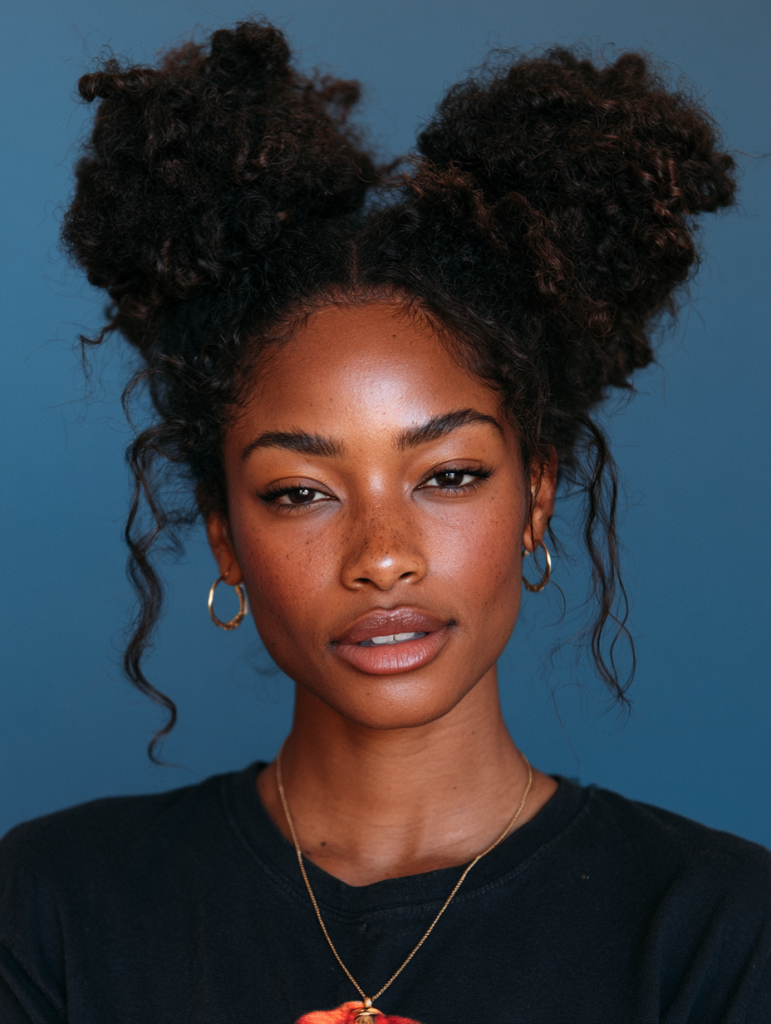
Begin with moisturized hair and gently separate compressed sections using your fingers. Use a wide-tooth tool or pick primarily near the roots when additional volume is desired, avoiding unnecessary manipulation through the ends. Shape gradually from different angles until the silhouette appears balanced while preserving the natural texture and softness.
Mini Twists
Mini twists create intricate definition while providing a versatile style that can remain wearable for longer than many loose natural hairstyles. Their smaller size creates movement and allows numerous styling options, including side parts, ponytails, buns, and half-up arrangements.
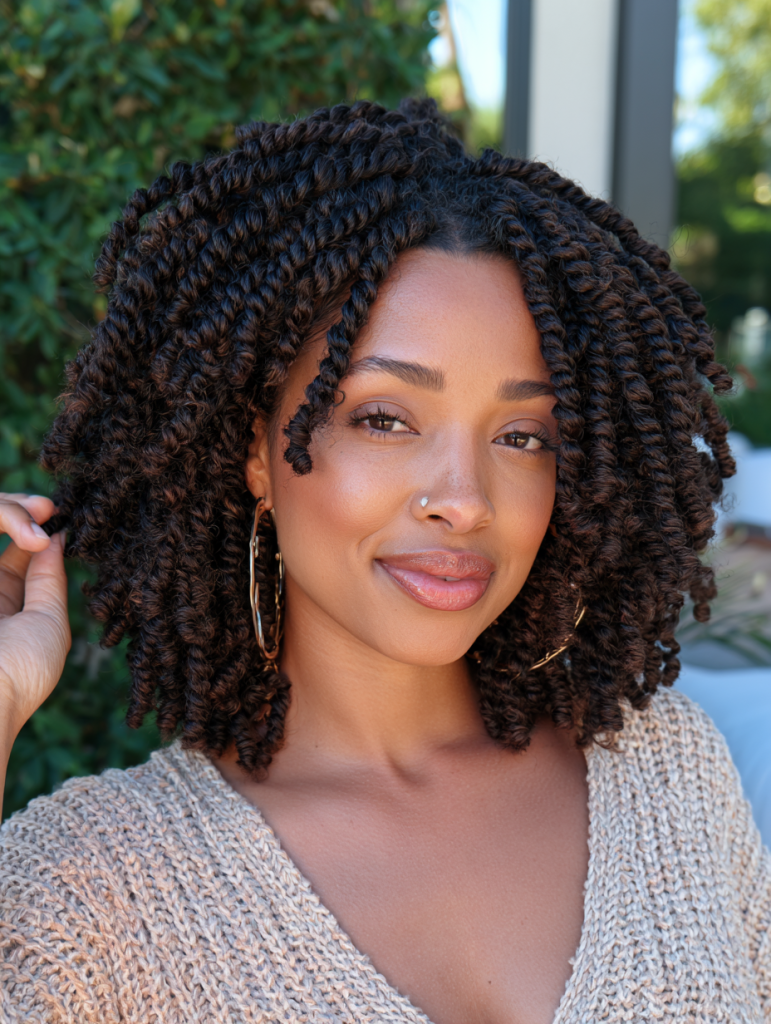
Work in small, moisturized sections and twist consistently from root to end without creating excessive tension. Because installation takes time, maintaining scalp comfort is particularly important. Keep the twists hydrated with lightweight products and protect them at night. Simple accessories can refresh the appearance without requiring the twists to be completely restyled.
Bantu Knot Style
Bantu knots transform 4C hair into sculptural sections that highlight both texture and creative parting. The knots can be small and numerous or larger and more minimal, depending on the desired finish and the amount of hair in each section.
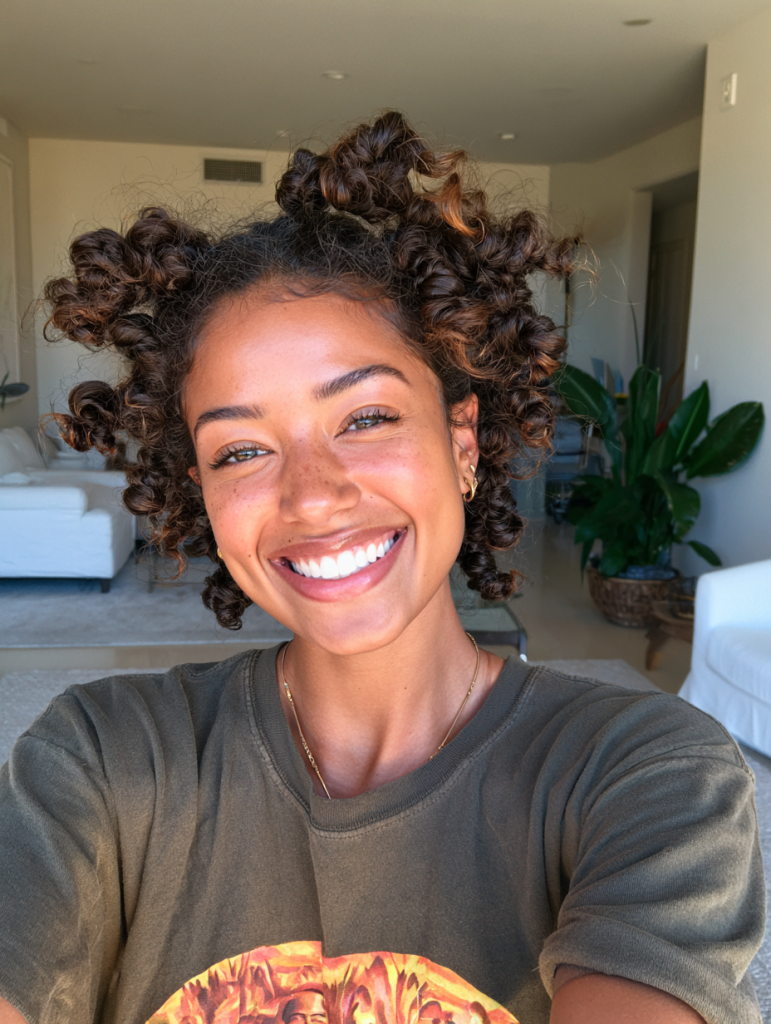
Begin with detangled, moisturized hair and create clean geometric or organic parts. Twist each section gently before wrapping it around its base and securing it comfortably. Avoid winding too tightly against the scalp. The completed style can stand alone beautifully or later be unraveled to create a defined Bantu knot-out.
Low Textured Bun
A low textured bun provides an elegant option for 4C hair while keeping the overall silhouette understated and polished. Natural texture can remain visible through the bun rather than being completely smoothed, giving the finished hairstyle softness and dimension.
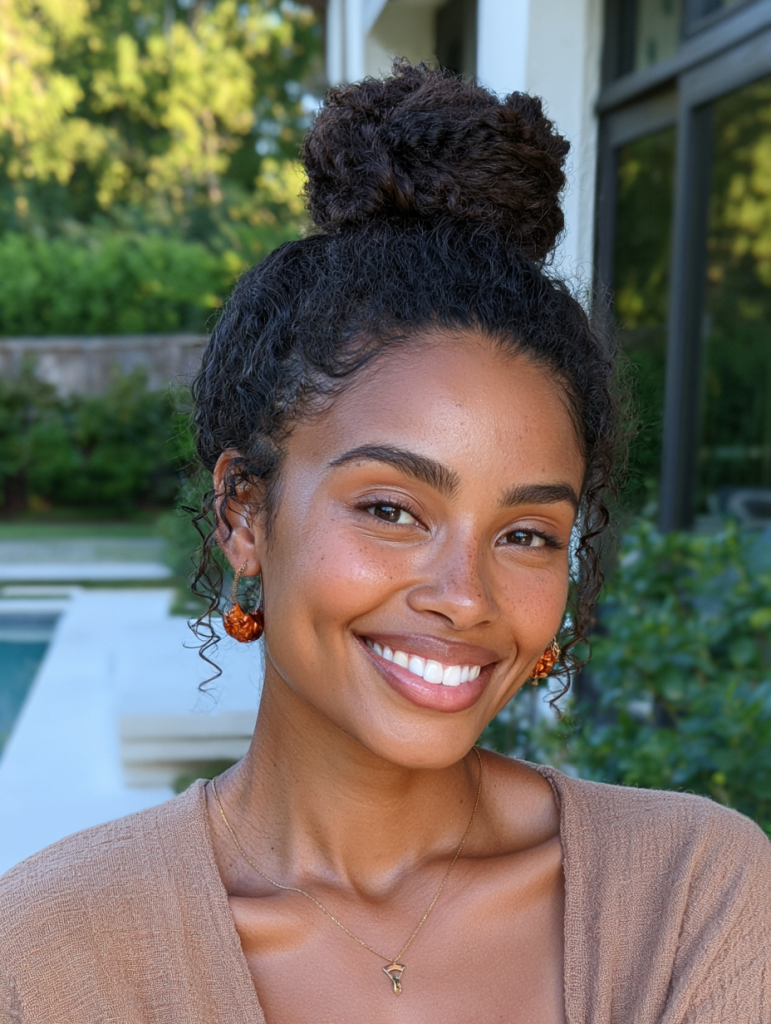
Gather moisturized hair toward the nape using gentle tension and secure it comfortably. Shape the ends into a loose bun using pins, allowing some texture to remain visible. Instead of forcing every edge perfectly flat, maintain a softer perimeter. This approach creates a sophisticated style suitable for work, dinners, weddings, and special occasions.
Side-Parted Twist-Out
A side-parted twist-out combines defined texture with flattering asymmetry. Moving the part away from the center shifts more volume toward one side, creating natural lift around the crown while allowing the opposite section to frame the face more closely.
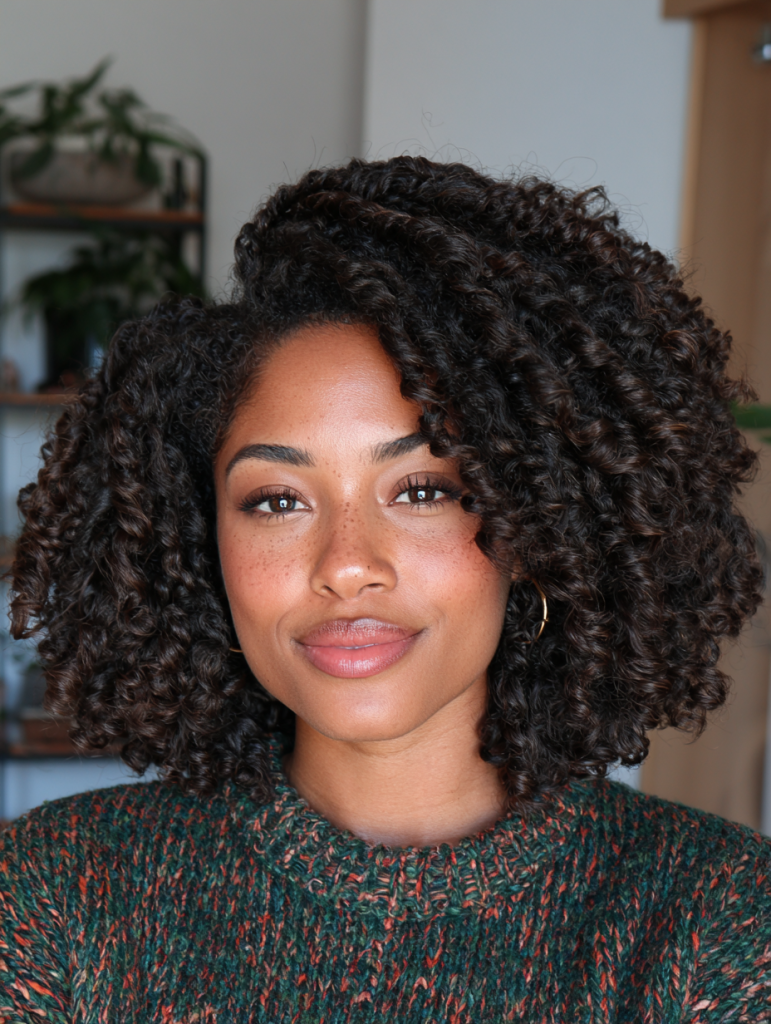
Create twists on moisturized hair and allow them to dry thoroughly before unraveling. Establish the side part carefully and separate selected sections for additional fullness. Lift primarily at the roots rather than repeatedly pulling apart the ends. This preserves definition while giving the hairstyle a fuller, more dramatic silhouette.
Frohawk with Twisted Sides
A frohawk creates height through the center while keeping the sides controlled, producing a bold silhouette that works beautifully with dense 4C texture. Flat twists along each side can provide additional detail while directing attention toward the textured middle section.
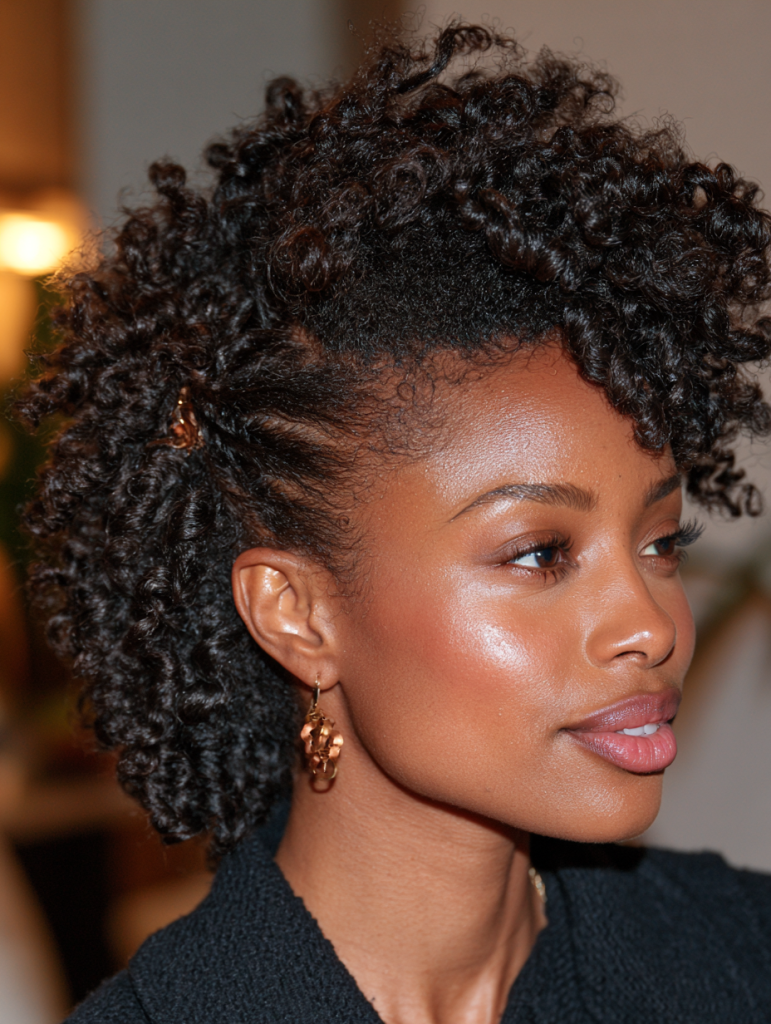
Create comfortable side twists toward the center and secure them without excessive tension. Fluff the remaining hair upward using your fingertips, shaping the center gradually from front to back. Defined coils or a twist-out can provide additional texture. The finished hairstyle feels expressive while maintaining a carefully structured foundation.
Short Finger Coils
Finger coils create compact definition by shaping small sections of 4C hair individually. The technique works especially well on shorter lengths because the coils can form a neat, dimensional silhouette without requiring elaborate manipulation or additional hair.
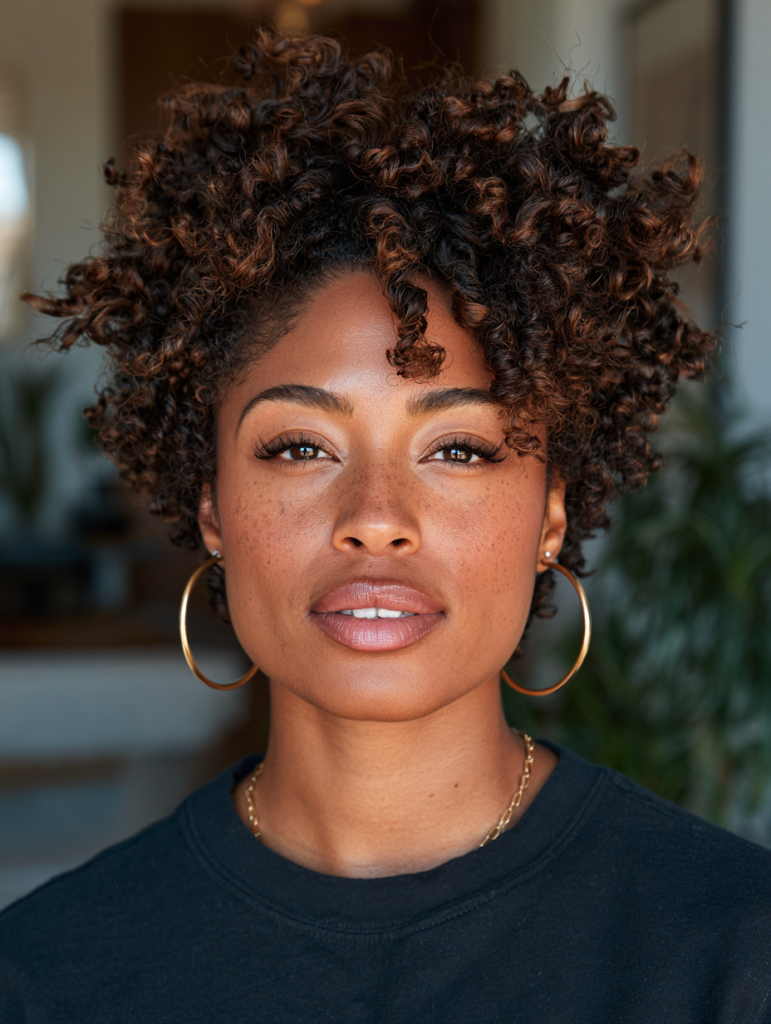
Apply a moisturizing styling cream or gel to damp, detangled sections and rotate each piece around your finger. Allow the hair to dry completely before separating anything. Keeping most coils intact produces stronger definition, while gently lifting the roots can add volume. Regular moisture helps the finished style remain soft and flexible.
Half-Up Half-Down Twists
A half-up half-down style combines the convenience of gathered hair with the movement of loose twists. Pulling the upper section toward the crown opens the face, while the remaining twists create texture and fullness around the shoulders or neckline.
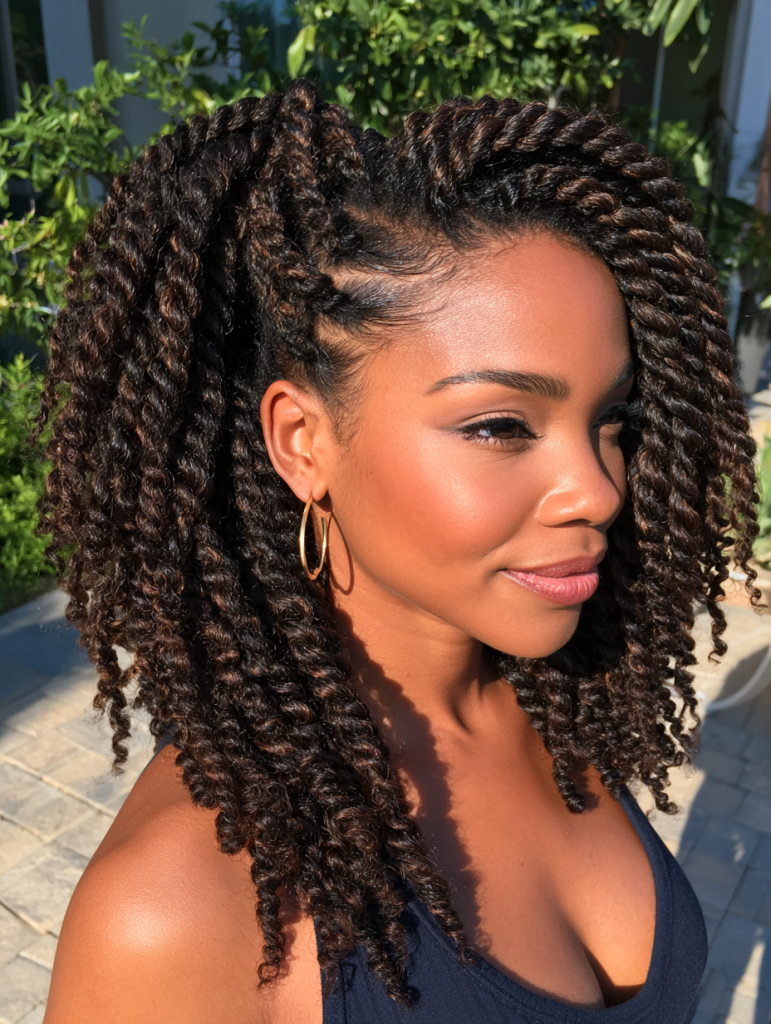
Begin with moisturized two-strand twists and gather only the crown section using a gentle elastic or pins. Avoid pulling the temples tightly. Leave the lower twists loose or unravel selected pieces for additional volume. Decorative clips can provide extra detail while keeping the hairstyle comfortable, practical, and versatile.
Crown Flat Twists with Puff
Crown flat twists create structured detail around the scalp before transitioning into a soft puff. The contrast between controlled twisting and natural volume makes the hairstyle visually interesting while keeping much of the hair away from the face.
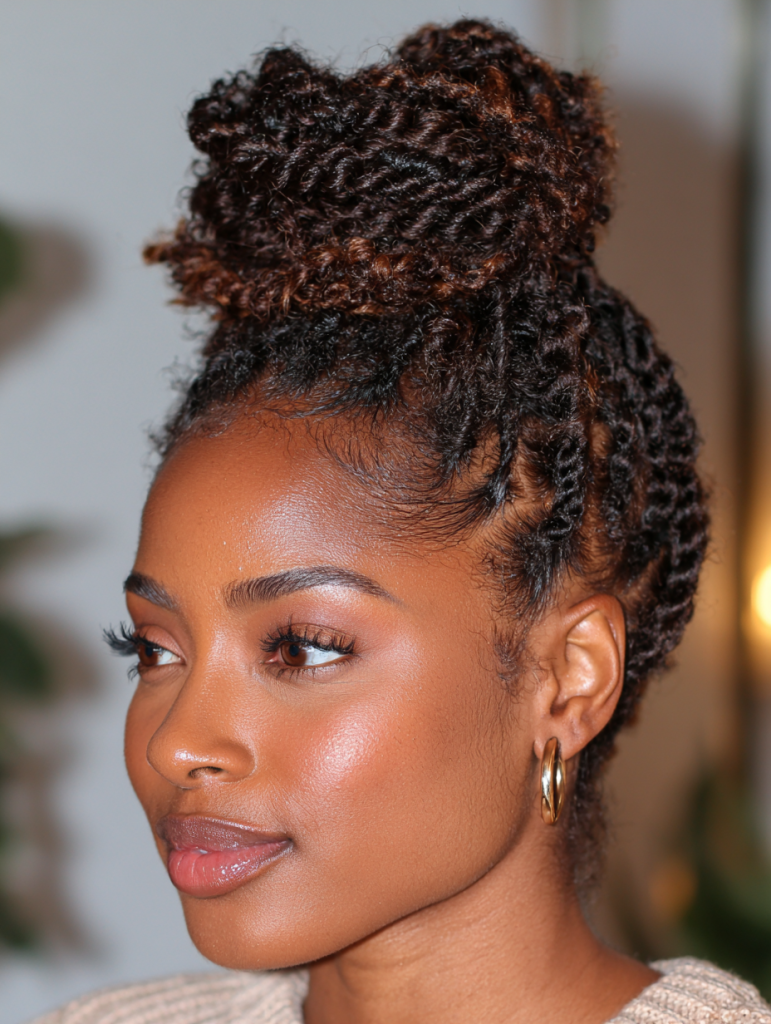
Create several flat twists directing the hair toward the crown and secure them comfortably. Gather the remaining texture into a puff, then shape it gently using your fingertips. Avoid pulling tightly around the perimeter. Keeping the puff moisturized helps preserve softness while allowing its natural density and coil pattern to remain beautifully visible.
Stretched 4C Afro
A stretched Afro reveals more of 4C hair’s length while maintaining its distinctive texture and fullness. Gentle stretching reduces some shrinkage, creating an elongated silhouette without requiring the hair to become completely straight or lose its natural character.
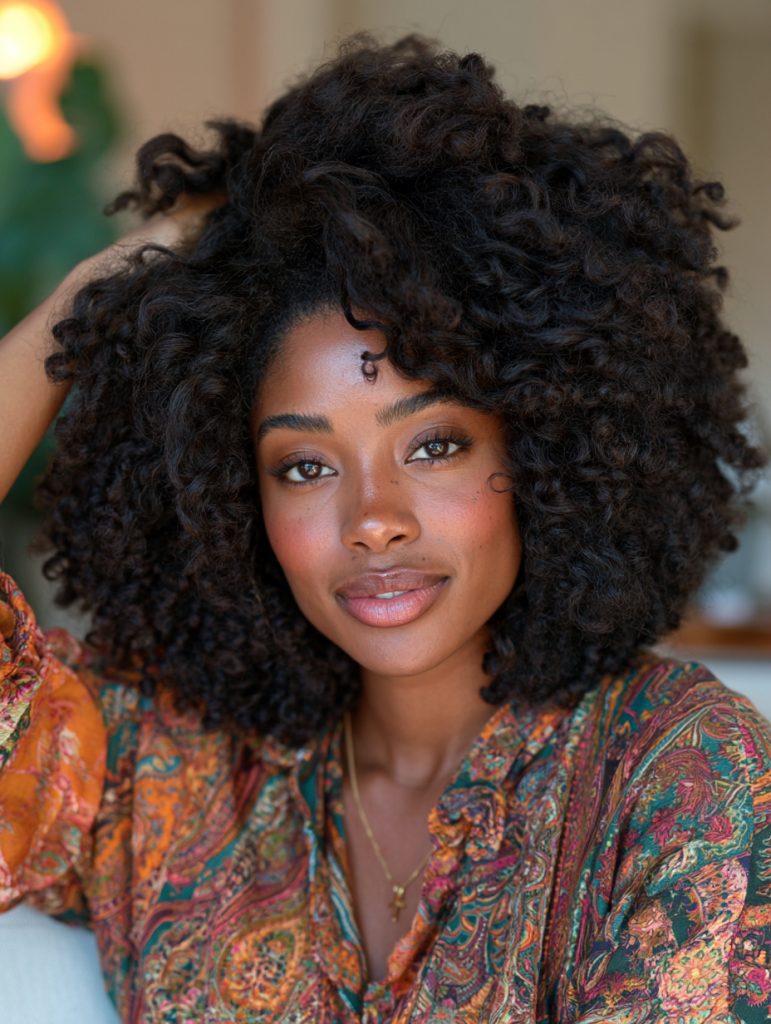
Use a low-manipulation stretching method appropriate for your hair, then separate the sections carefully once fully dry. Lift the roots and shape the perimeter gradually with your hands. Avoid repeatedly combing through the ends. The finished style should retain visible texture while displaying additional length, movement, and expansive natural volume.
Flat Twists with Loose Coils
Flat twists paired with loose coils create an attractive contrast between structured scalp detail and softer textured sections. The twists can frame one side, both temples, or the front while allowing the remaining 4C hair to form a fuller silhouette.
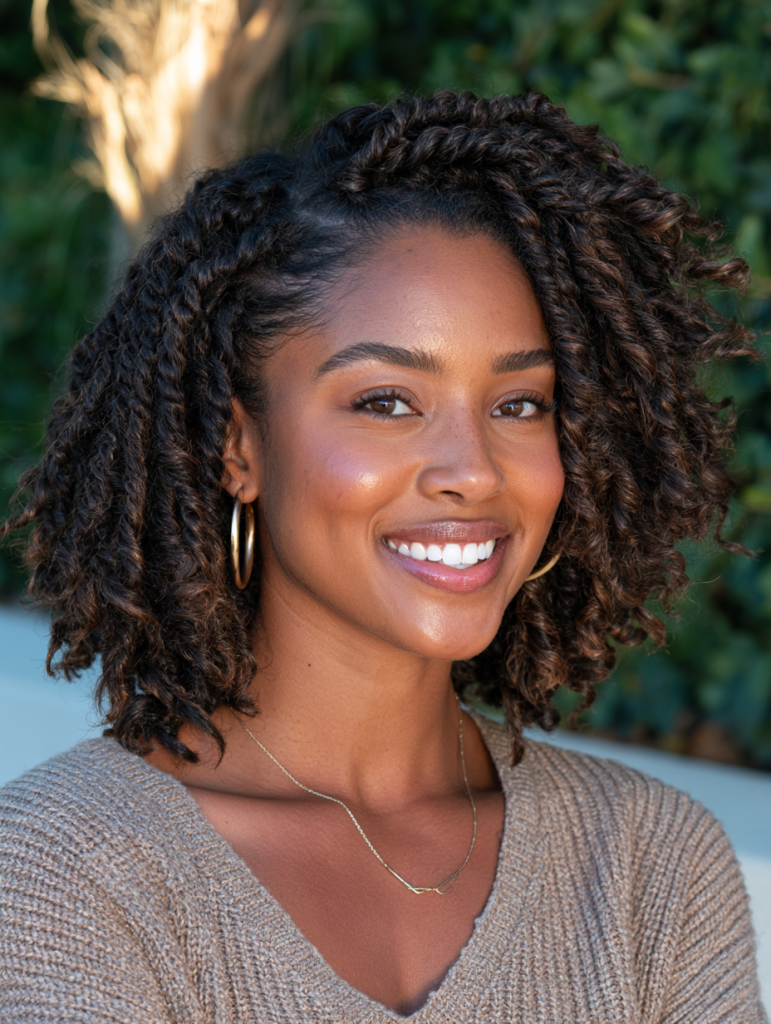
Begin with moisturized hair and create flat twists using comfortable tension. Define the loose section with finger coils, twists, or another preferred technique. Once completely dry, separate lightly for volume. Keeping the two textures distinct helps the hairstyle feel intentional while providing plenty of room for personalization.
4C Pineapple Updo
A pineapple updo gathers textured hair high on the head while allowing coils to fall forward or outward around the crown. The elevated shape showcases natural volume while keeping the lower sections controlled and away from the neckline.
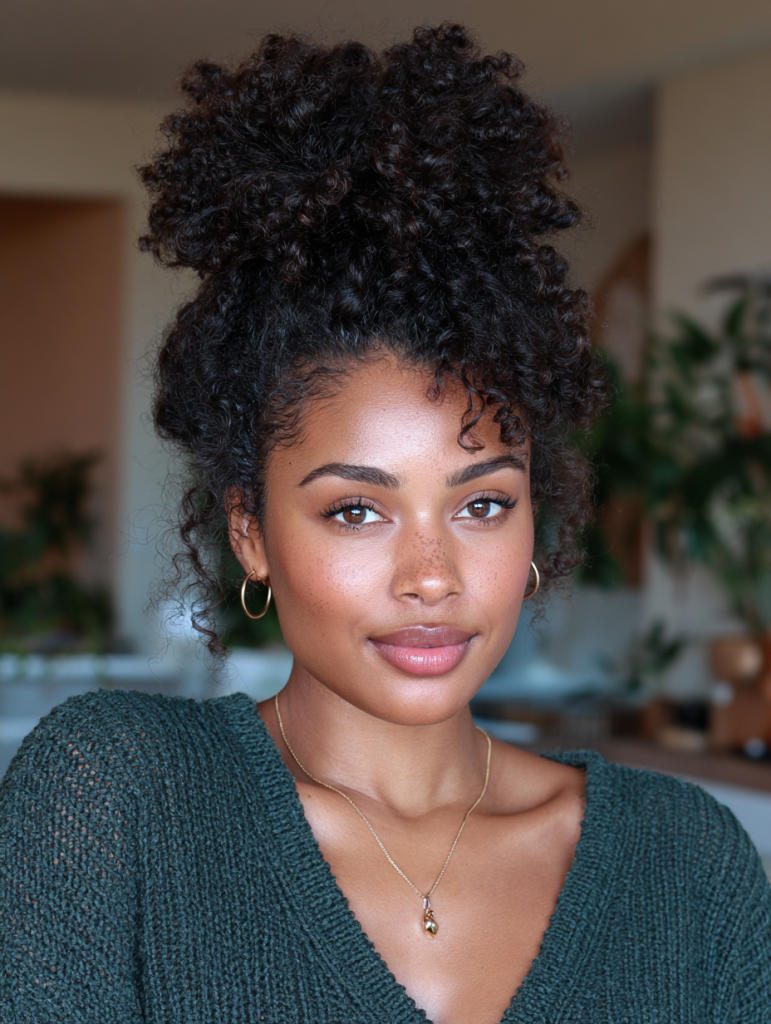
Gather the hair gently using a soft band or scarf, avoiding excessive tension around the edges. Arrange the upper texture with your fingertips until the shape feels balanced. Leave selected coils around the forehead if desired. This style can transition easily from casual daytime wear to a more polished evening appearance.
Side-Swept 4C Updo
A side-swept updo creates elegant asymmetry by directing most of the hair toward one side before pinning it into a textured arrangement. Keeping some natural coil definition visible prevents the hairstyle from becoming overly rigid or excessively formal
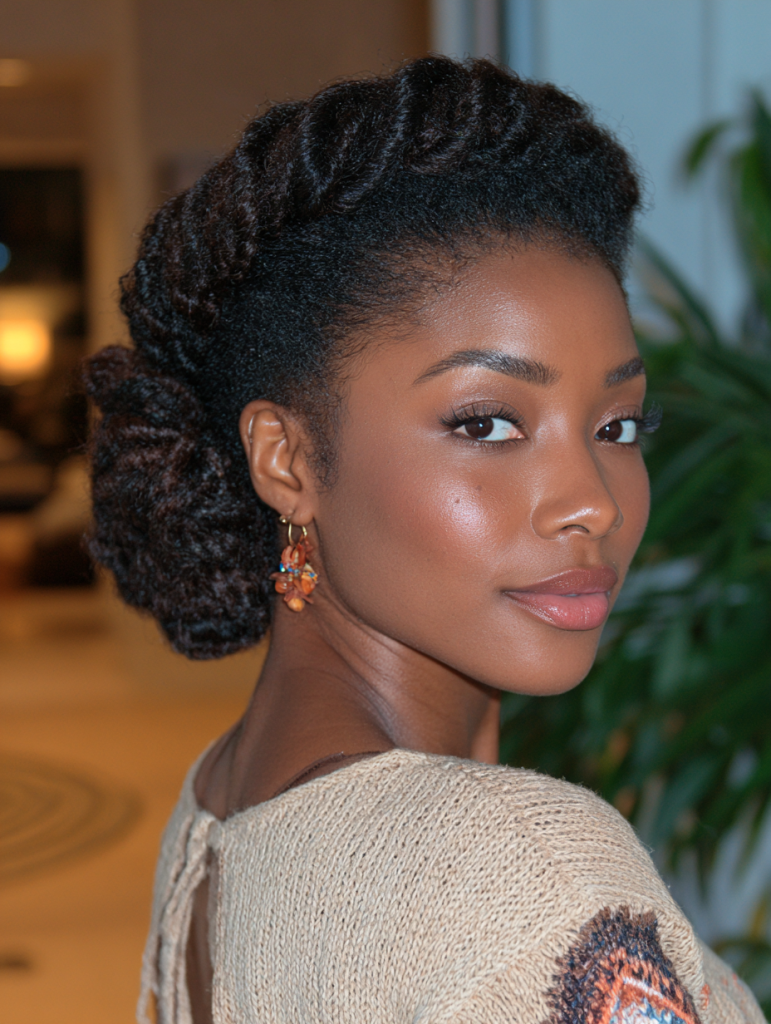
Start with moisturized, stretched, twisted, or naturally defined hair and gather sections gradually toward the preferred side. Secure them using pins with comfortable tension. Allow a few coils near the front to remain loose for softness. The finished style works beautifully for weddings, dinners, professional events, and other occasions requiring an elevated appearance.
A Moisture-Friendly Styling Routine for 4C Hair
Successful 4C styling begins with moisture and gentle manipulation. Detangle carefully in manageable sections and use products that provide enough slip for your preferred technique. Because individual routines vary considerably, focus on how your hair responds rather than applying excessive amounts of product simply to achieve stronger definition.
Protective nighttime habits can also help preserve finished styles. Satin bonnets, scarves, or pillowcases reduce friction, while loosely sectioning longer styles may help maintain their shape. Most importantly, avoid unnecessary tension around the hairline and scalp. Beautiful styling should complement healthy hair practices rather than depending on uncomfortable pulling.
Final Thoughts
4C hairstyles for Black women can range from expansive Afros and defined twist-outs to sculptural Bantu knots, tapered cuts, puffs, and elegant updos. The texture offers remarkable versatility because it can be worn compact, stretched, twisted, braided, pinned, or allowed to expand naturally.
Choosing a style becomes easier when you consider your preferred maintenance level, available styling time, and desired amount of manipulation. Some days may call for a simple puff, while others invite intricate twists or an expressive frohawk. Which 4C hairstyle would you experiment with first?
